

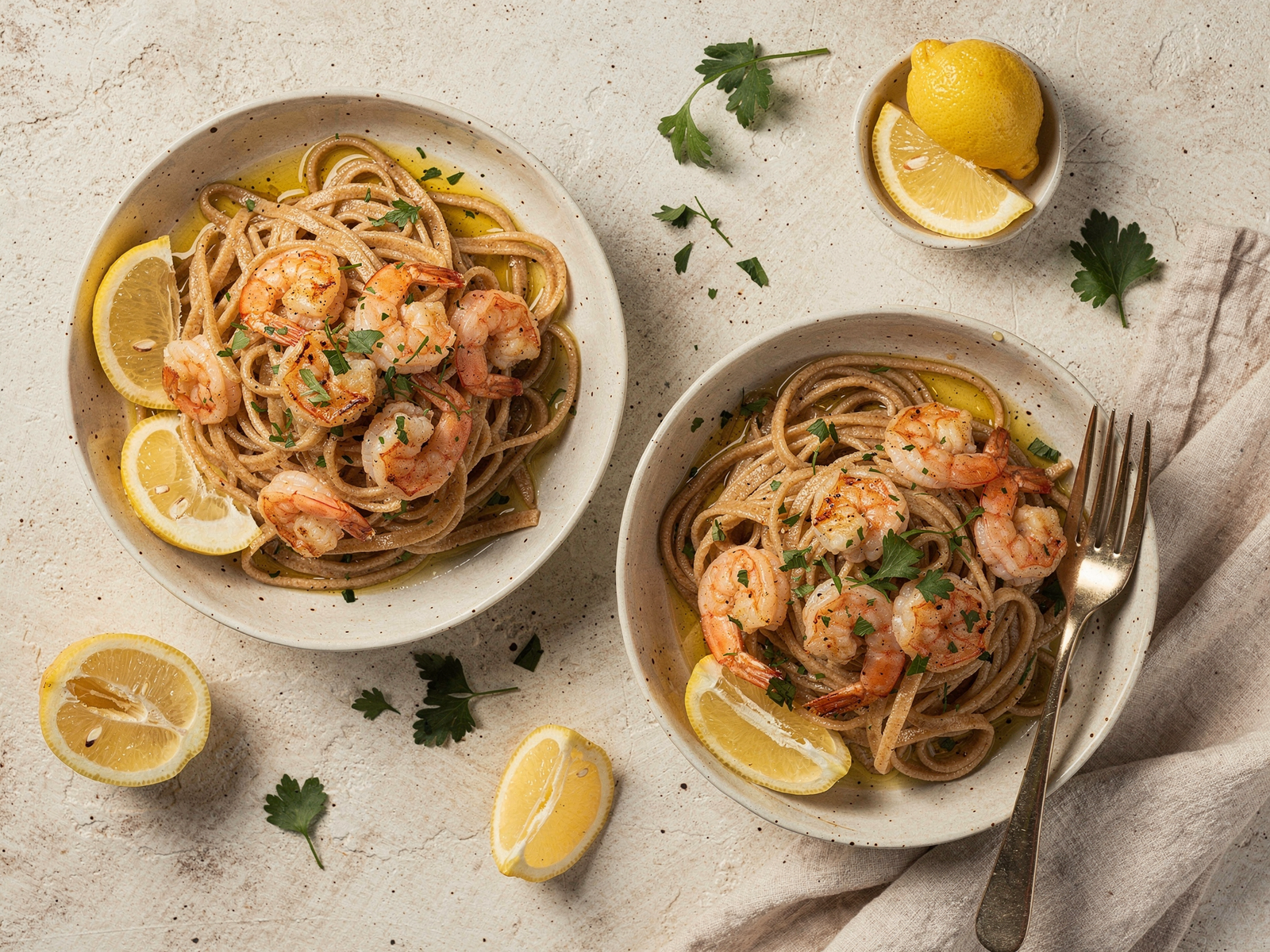
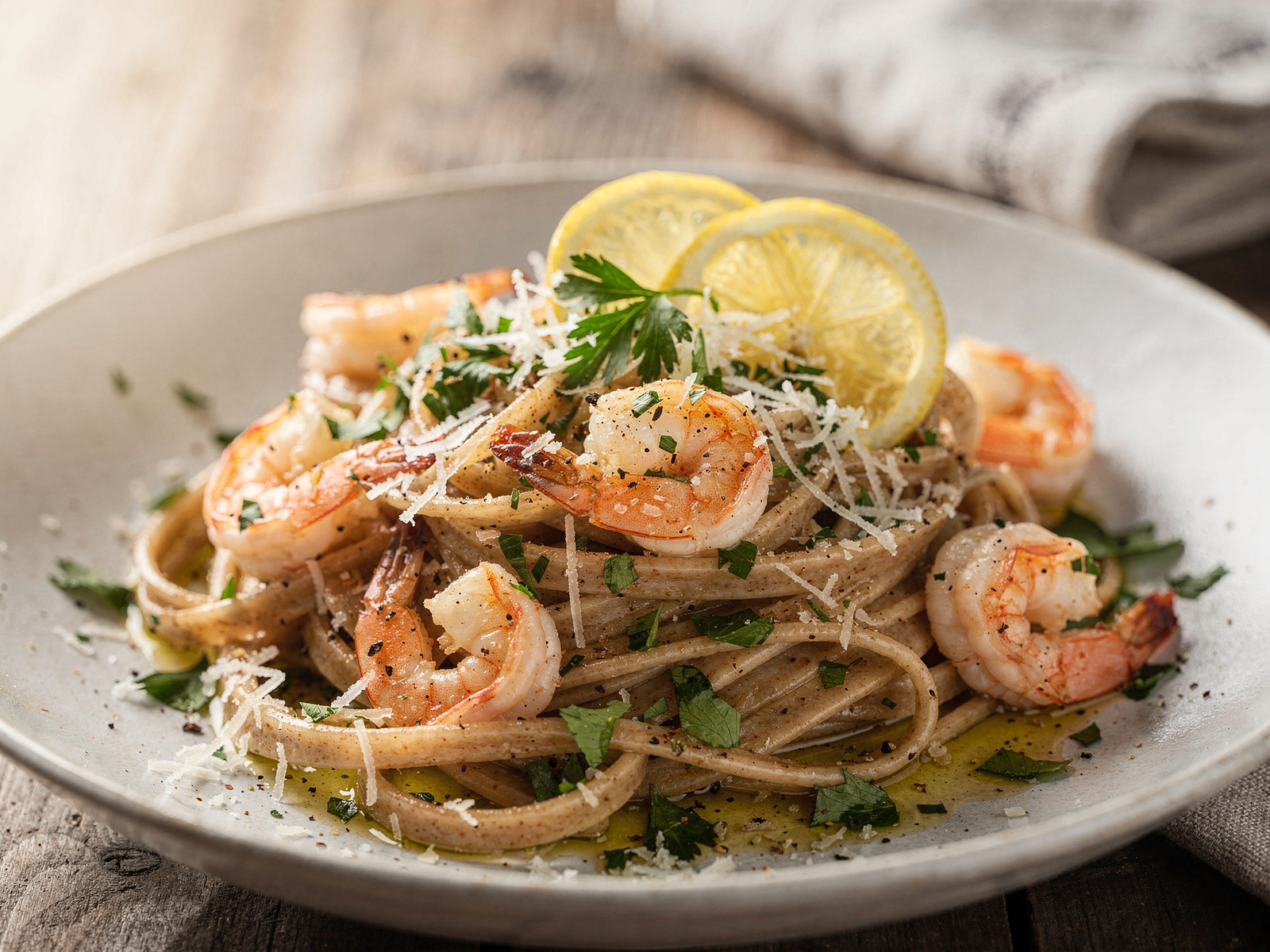
Learn how to make Whole Wheat Lemon Garlic Shrimp Linguine at home in under 30 minutes. This guide teaches you every step to create a healthy, restaurant-quality lemon garlic shrimp pasta dish that impresses family and guests alike.
Why This Recipe Works for Busy Weeknights
Whole Wheat Lemon Garlic Shrimp Linguine combines nutrition with convenience. Whole grain pasta adds fiber and sustained energy, while shrimp cooks in minutes, making this an ideal quick shrimp dinner ideas for any weeknight. The bright lemon and garlic flavors create a light yet satisfying sauce without heavy cream.
This homemade linguine with shrimp requires minimal ingredients and basic cooking skills. Most home cooks can prepare this dish in 25 to 30 minutes from start to finish. You’ll learn professional techniques that transform simple ingredients into an elegant main course.
What You’ll Need
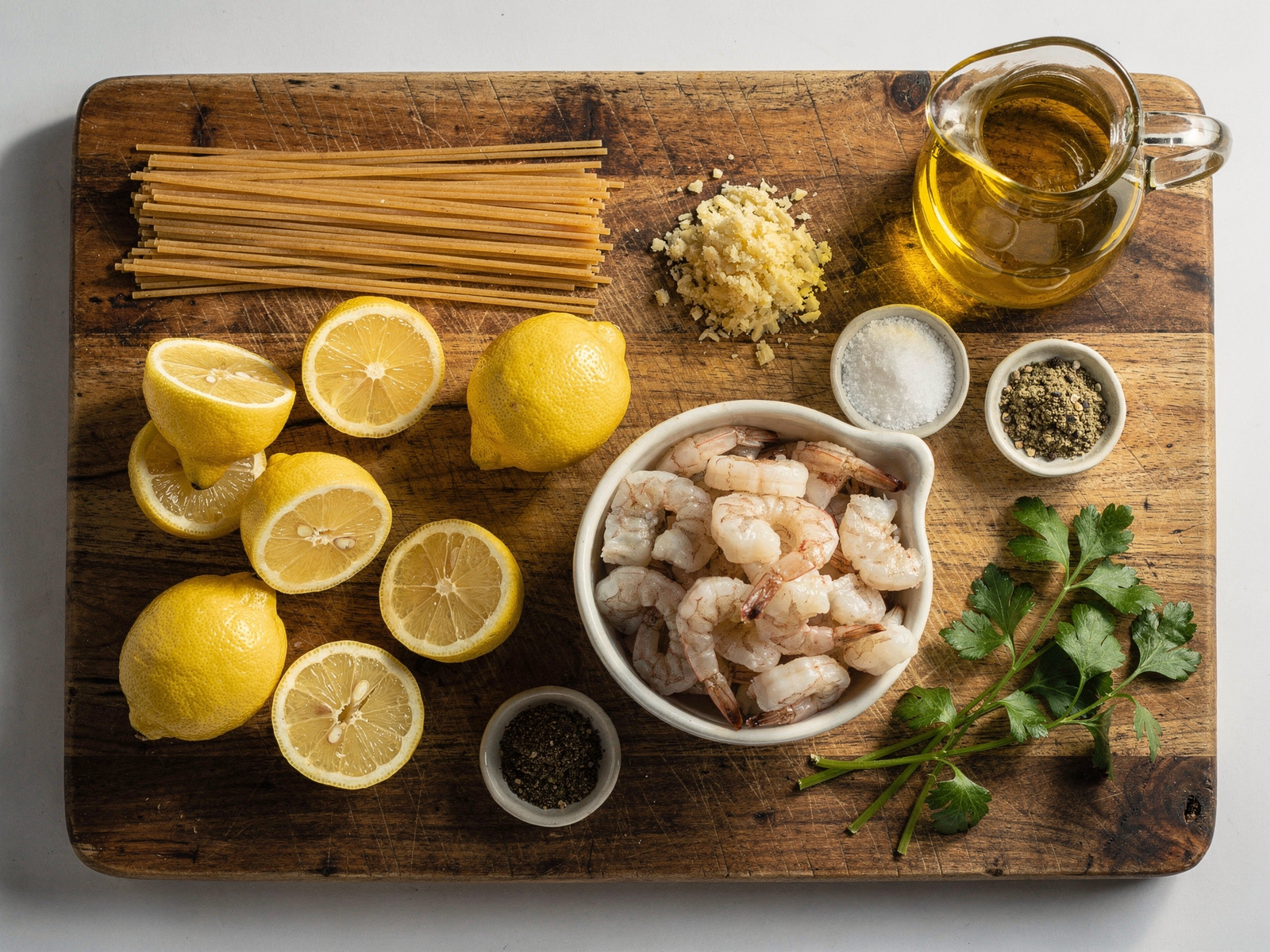
Ingredients
- 8 ounces whole wheat linguine
- 1 pound large shrimp, peeled and deveined
- 4 cloves garlic, minced
- 3 tablespoons olive oil
- Zest of 2 lemons
- Juice of 2 lemons (about 1/4 cup)
- 1/2 teaspoon red pepper flakes
- Salt and freshly ground black pepper to taste
- 1/4 cup fresh parsley, chopped
- 2 tablespoons butter
- 1/2 cup reserved pasta water
- Grated Parmesan cheese (optional)
Equipment
- Large pot for boiling water
- Large skillet or sauté pan
- Colander for draining pasta
- Wooden spoon or spatula
- Microplane or box grater for lemon zest
- Measuring spoons and cups
- Knife and cutting board
Prerequisites: You should be comfortable boiling pasta and using a stovetop. No advanced cooking experience is necessary for this healthy shrimp linguine recipe.
Step 1: Prepare All Ingredients Before Cooking
Mise en place (having everything ready) prevents overcooking and ensures smooth cooking. Begin by measuring and preparing each ingredient.
- Peel and devein shrimp if not already done, then pat dry with paper towels
- Mince 4 garlic cloves finely using a sharp knife
- Zest both lemons using a microplane, collecting the yellow zest in a small bowl
- Cut lemons in half and juice them into a separate bowl, removing seeds
- Chop fresh parsley and set aside
- Measure olive oil, butter, and red pepper flakes into small bowls
Preparing ingredients in advance prevents the garlic from burning while you search for lemon juice. Dry shrimp cook better and brown more effectively. This preparation step takes about 5 minutes but saves stress during cooking.
Step 2: Cook Whole Wheat Linguine to Al Dente
Whole grain pasta recipes require careful timing to avoid mushiness. Start the pasta before cooking shrimp so both finish simultaneously.
- Fill a large pot three-quarters full with water and bring to a rolling boil
- Add 1 tablespoon salt once water boils vigorously
- Add whole wheat linguine and stir immediately to prevent sticking
- Cook for 1 minute less than the package directions suggest
- Taste a strand at 8 minutes; it should bend but still have resistance
- Reserve 1/2 cup pasta water in a measuring cup before draining
- Drain pasta in a colander but do not rinse
Whole wheat linguine takes slightly longer than regular pasta but benefits from undercooking slightly. You’ll finish it in the skillet with the sauce, achieving the perfect texture. The starch in reserved pasta water helps bind the sauce to the noodles.
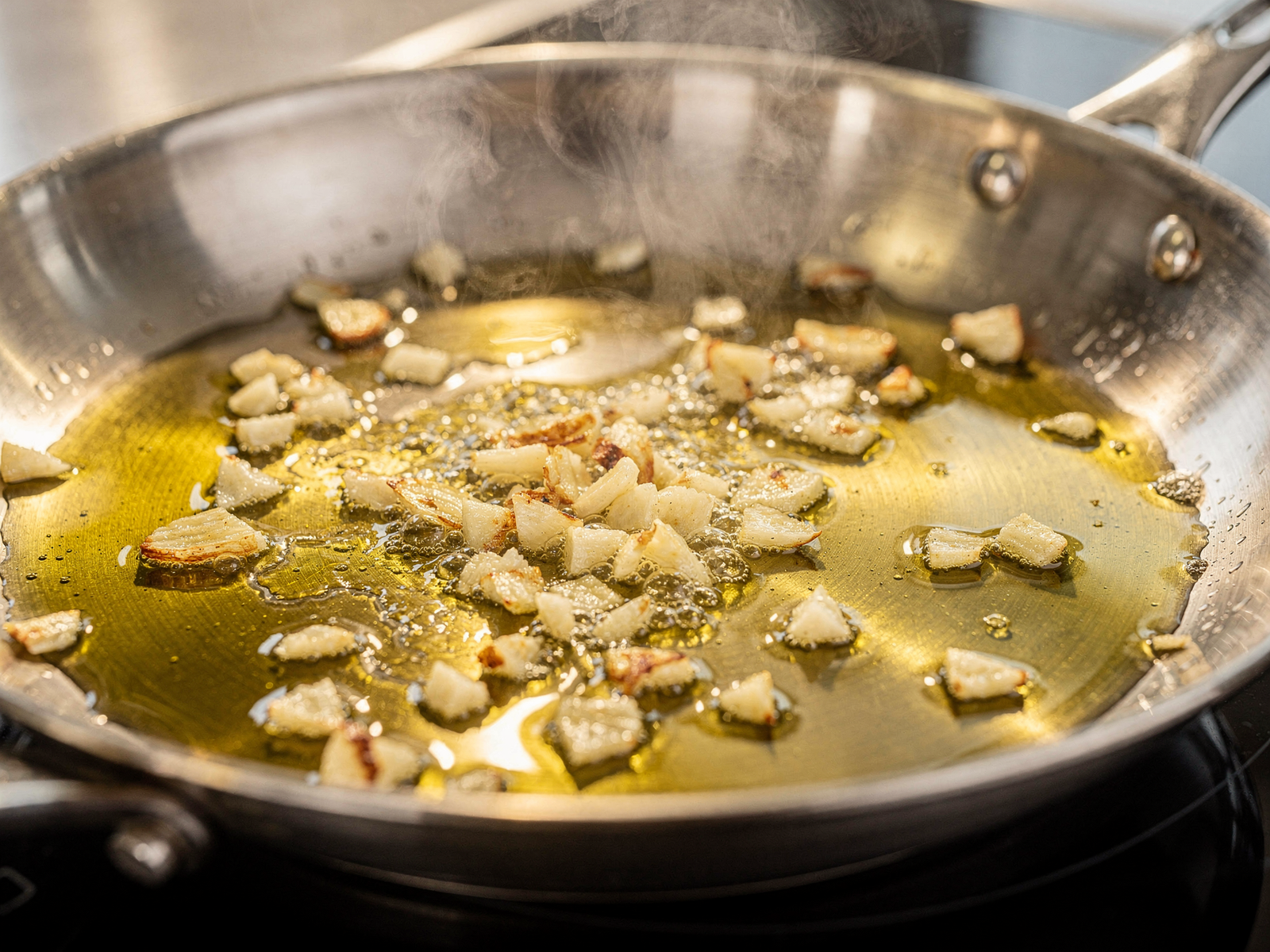
Step 3: Heat Olive Oil and Toast Garlic
Building flavor starts with proper oil temperature and careful garlic cooking. This step creates the foundation of your garlic butter shrimp pasta.
- Place a large skillet over medium-high heat
- Add 3 tablespoons olive oil and heat for 1 minute until shimmering
- Add minced garlic to the hot oil
- Cook garlic for 45 seconds, stirring constantly, until fragrant
- Do not allow garlic to brown or it will taste bitter
Toasting garlic in hot oil releases its natural oils and sweetness. Timing matters here. Garlic burns quickly, transforming from aromatic to acrid in seconds. Keep your heat at medium-high, not high, for better control.
Step 4: Sear Shrimp Until Pink and Cooked Through
Properly cooked shrimp determines the quality of your entire lemon herb shrimp dishes. This step develops a golden exterior while keeping the interior tender.
- Add shrimp to the skillet in a single layer, season with salt and pepper
- Do not stir for 2 minutes; allow shrimp to develop a golden crust
- Flip each shrimp and cook the other side for 1 to 2 minutes
- Shrimp should be opaque throughout with no gray areas remaining
- Transfer cooked shrimp to a clean plate temporarily
Overcooking is the most common mistake with shrimp. Cook by appearance, not time. Large shrimp typically cook fully in 3 to 4 minutes total. Overcooked shrimp becomes rubbery and loses its delicate texture.
Step 5: Create the Lemon Garlic Sauce
The sauce brings together all flavors in this garlic lemon seafood pasta. This step creates brightness that balances the whole grain’s earthiness.
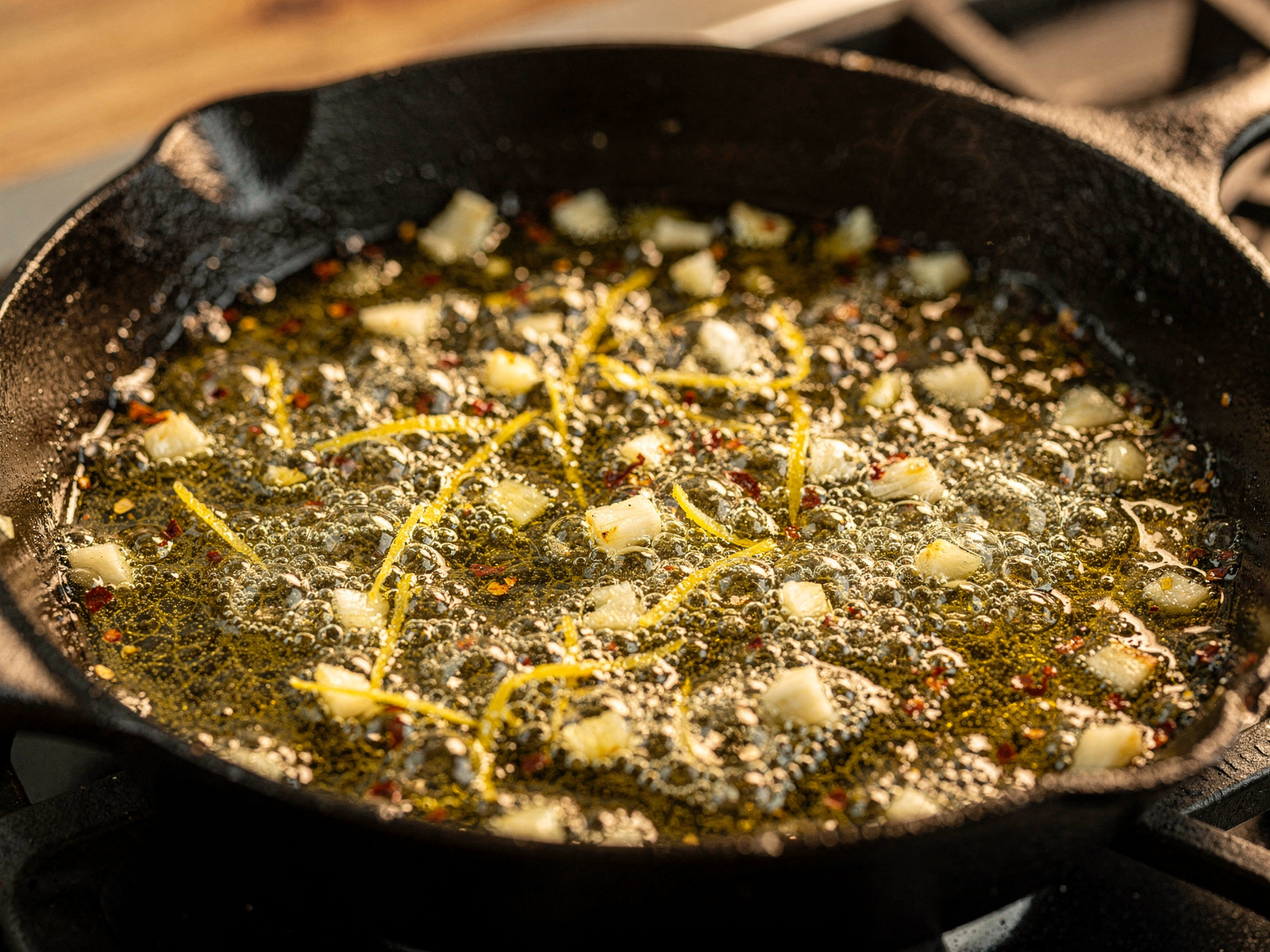
- Pour lemon juice into the skillet with remaining oil and garlic
- Add lemon zest and red pepper flakes
- Stir well and let cook for 30 seconds
- Pour in reserved pasta water slowly while stirring
- Add 2 tablespoons butter and stir until melted
- Taste and adjust salt, pepper, and lemon juice as needed
The acidity from lemon juice cuts through any richness while the butter adds silkiness. Pasta water contains starch that helps the sauce coat each noodle evenly. This technique is common in Italian seafood pasta recipes and professional kitchens.
Step 6: Combine Pasta, Shrimp, and Sauce
Now you bring everything together to create the finished dish. This step requires gentle mixing to avoid breaking delicate shrimp.
- Add drained whole wheat linguine to the skillet with sauce
- Return cooked shrimp to the skillet
- Toss gently for 1 to 2 minutes using tongs or two wooden spoons
- Ensure each noodle is coated with the lemon garlic sauce
- If sauce seems too thick, add more pasta water by the tablespoon
Gentle tossing prevents shrimp from breaking apart while coating noodles evenly. The skillet’s residual heat finishes cooking the linguine slightly while distributing flavors throughout. This combination method is standard in how to cook shrimp linguine professionally.
Step 7: Finish with Fresh Herbs and Serve
Final garnishes add fresh flavor and visual appeal to your healthy shrimp linguine dish.
- Remove skillet from heat
- Sprinkle chopped fresh parsley over the entire dish
- Add grated Parmesan cheese if desired
- Divide among four serving bowls or plates
- Serve immediately while hot
Fresh parsley adds brightness and color that complements the lemon flavors. Serving immediately preserves the pasta’s texture and keeps the dish hot. This Italian shrimp pasta recipe serves four people as a main course.
Common Mistakes to Avoid
Overcooking Shrimp
Shrimp cooks quickly and becomes rubbery if left on heat too long. Remove shrimp as soon as it turns opaque pink. Size variation means cooking times differ, so watch visual cues rather than relying on time alone.
Using Burned Garlic
Burned garlic ruins the entire dish with a bitter flavor. Toast garlic at medium-high heat and stir constantly. If garlic turns dark brown, discard it and start over with fresh garlic.
Overcooking Whole Wheat Pasta
Whole grain pasta becomes mushy quickly. Cook it 1 minute less than package directions since you’ll finish it in the skillet. Test for doneness by tasting, not by time alone.
Skipping Pasta Water Reservation
Pasta water’s starch helps sauce cling to noodles. Draining without reserving creates a dry dish. Always save at least half a cup before pouring pasta into the colander.
Adding All Lemon Juice at Once
Lemon juice’s acidity can overpower the dish. Add juice gradually while tasting. You can always add more, but you cannot remove excess sourness.
Tips for Perfect Results Every Time
Mastering this easy weeknight shrimp meals recipe takes practice. These techniques ensure consistent success.
- Use fresh shrimp when possible for superior flavor and texture over frozen
- Pat shrimp dry before cooking so they brown rather than steam
- Add shrimp to the pan in a single layer for even cooking on both sides
- Taste sauce before serving and adjust lemon juice, salt, and pepper individually
- Use good quality olive oil for better flavor in this minimalist dish
- Zest lemons before juicing them for easier zest collection
- Keep heat at medium-high to avoid burning garlic while cooking shrimp
- Serve on warmed plates to keep the dish hot longer
These quick shrimp dinner ideas work because they respect each ingredient’s role. Quality ingredients matter more in simple dishes since flavors cannot hide behind heavy sauces.
Nutritional Benefits of This Dish
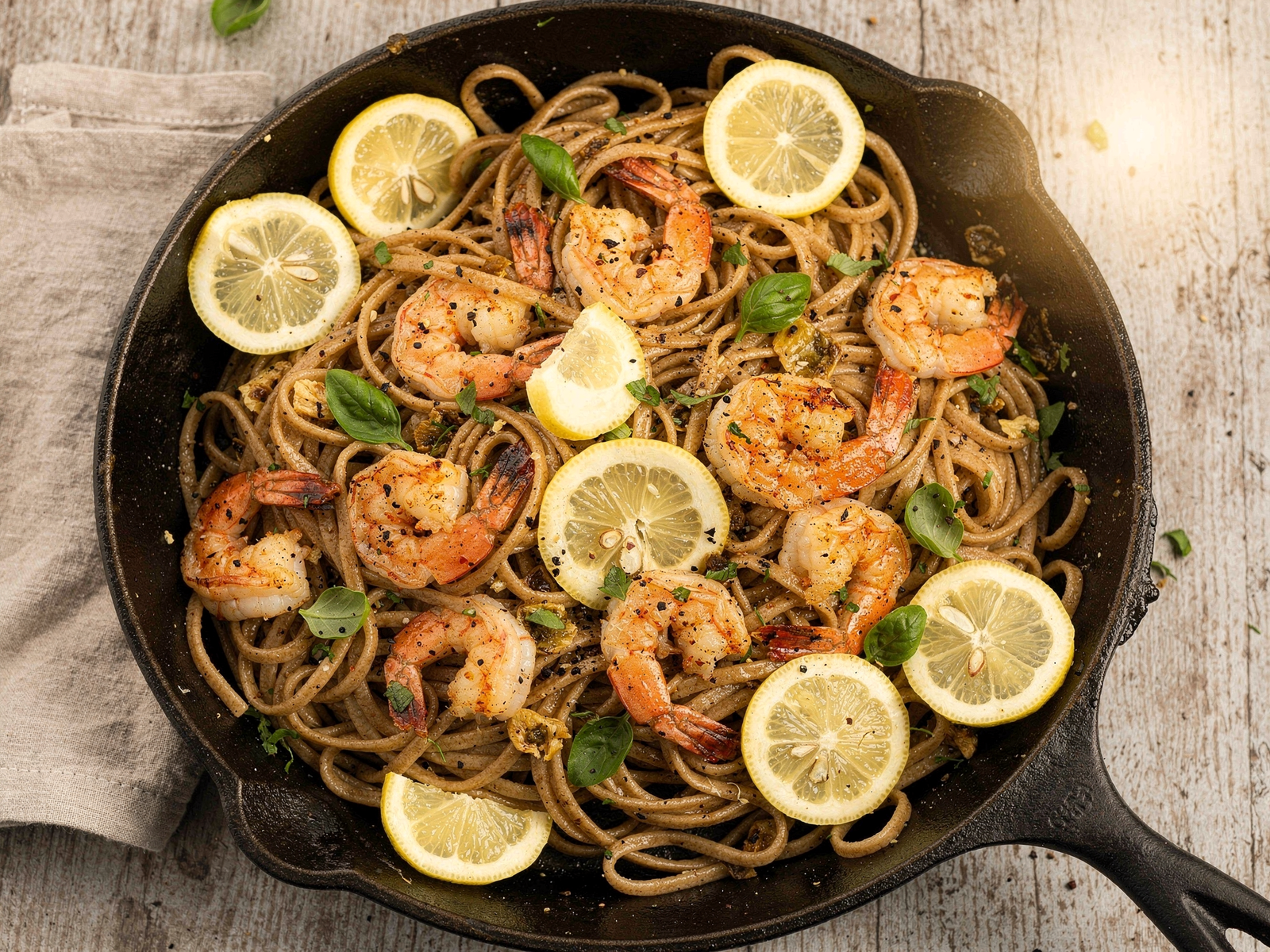
This whole grain pasta recipes option provides substantial nutritional advantages. Whole wheat products contain more fiber and nutrients than refined grains, supporting digestive health and sustained energy. Shrimp provides lean protein with minimal fat while containing selenium and vitamin B12.
The lemon juice adds vitamin C, which aids iron absorption from the whole grains. Garlic contains compounds with potential health benefits, including allicin when minced. Olive oil provides heart-healthy monounsaturated fats. This single dish balances protein, carbohydrates, healthy fats, and micronutrients effectively.
Storage and Leftover Guidelines
Leftover lemon garlic shrimp pasta keeps well under proper conditions.
- Store cooled pasta in an airtight container in the refrigerator for up to 3 days
- Reheat gently in a skillet over medium heat, adding a splash of water if needed
- Do not freeze this dish as shrimp texture degrades significantly when frozen cooked
- Enjoy leftovers cold as a pasta salad if preferred
- Separate shrimp from noodles before storing if keeping longer than 1 day
Serving Suggestions and Wine Pairings
Serve this homemade linguine with shrimp alongside complementary dishes and beverages.
- Pair with a crisp white wine such as Pinot Grigio or Sauvignon Blanc
- Add a side salad with lemon vinaigrette for freshness
- Serve with crusty bread to soak up remaining sauce
- Sprinkle additional fresh herbs like dill or tarragon for variation
- Add roasted cherry tomatoes for color and sweetness
- Include steamed asparagus or green beans as a vegetable side
Frequently Asked Questions
Can I use regular pasta instead of whole wheat linguine?
Yes, regular pasta works well in this lemon garlic shrimp pasta recipe. Cook it according to package directions and adjust timing slightly since it cooks faster than whole wheat. The flavor profile remains identical.
What if I cannot find large shrimp?
Medium shrimp work fine but cook faster (2 to 3 minutes total). Small shrimp may become overcooked before you achieve the desired golden crust. Avoid tiny shrimp for best results in garlic butter shrimp pasta dishes.
Can I make this dish ahead of time?
Prepare individual components separately but assemble just before serving for best texture. Cook pasta, prepare shrimp, and make sauce up to 4 hours ahead. Combine and heat gently before serving.
Is this recipe suitable for meal prep?
This dish is best served fresh, but you can prepare components separately and assemble quickly. Store cooked pasta, shrimp, and sauce in separate containers. Combine during reheating for optimal texture.
What substitutes work for fresh garlic?
Fresh garlic is best for maximum flavor, but minced garlic from a jar works if necessary. Use about 1 teaspoon jarred garlic per fresh clove. Avoid garlic powder as it lacks the fresh flavor essential to this recipe.
How do I know when shrimp is fully cooked?
Fully cooked shrimp is opaque pink throughout with no gray areas. The flesh should be firm to touch but not rubbery. An instant-read thermometer reads 145°F when inserted into the thickest part of the shrimp.
Can I add vegetables to this recipe?
Absolutely. Spinach, zucchini, or cherry tomatoes work well. Add them near the end of cooking so they warm through without becoming mushy. Lemon Garlic Spring Vegetable Pasta offers a vegetable-forward version of this technique.
What makes whole wheat pasta healthier?
Whole grains retain the bran and germ, providing more fiber, B vitamins, and minerals than refined grains. Whole wheat pasta contains about 6 grams of fiber per serving compared to 2 grams in regular pasta. This increased fiber supports digestive health and provides longer-lasting energy.
Conclusion: Master This Healthy Shrimp Linguine Recipe
You now have everything needed to make Whole Wheat Lemon Garlic Shrimp Linguine at home with confidence. This recipe combines nutrition, simplicity, and restaurant-quality flavor in under 30 minutes. The technique of toasting garlic, searing shrimp, and building sauce with pasta water applies to countless other dishes.
Start with quality ingredients, follow the steps carefully, and taste frequently to adjust flavors. This healthy shrimp linguine recipe impresses family and guests while fitting busy weeknight schedules. Practice this dish a few times and it becomes automatic, allowing you to cook dinner with minimal stress.
Expand your repertoire by exploring related recipes. Shrimp Scampi Pasta offers a similar technique with white wine instead of lemon juice, while Creamy Garlic Parmesan Pasta shows how to build richness through cream-based sauces. Each variation builds on fundamental cooking skills you’ve learned here.
The Italian shrimp pasta recipe you’ve just mastered proves that simple ingredients, proper technique, and fresh flavors create memorable meals. Enjoy this healthy, satisfying dish tonight.