

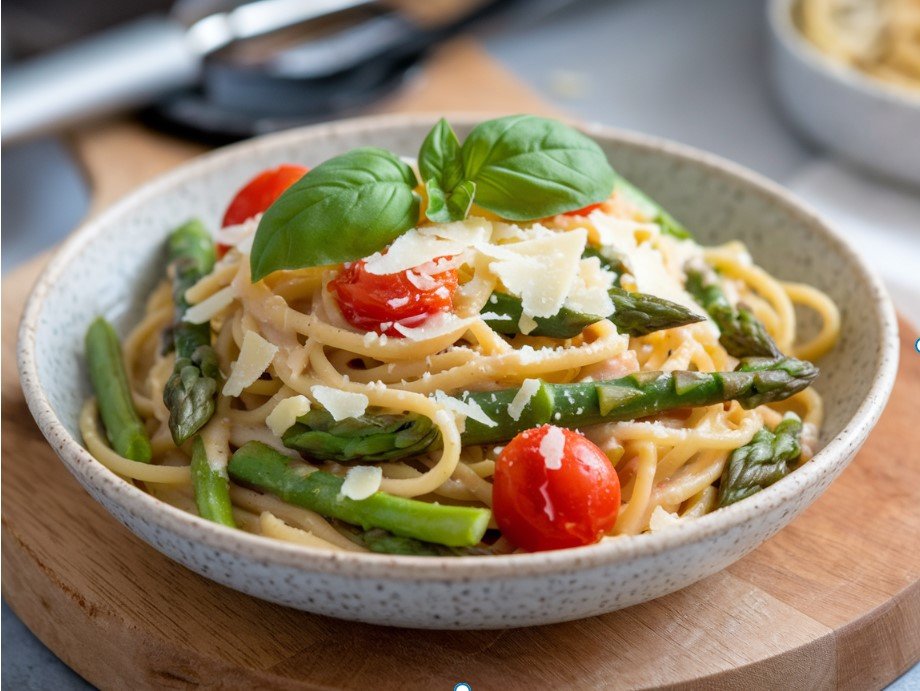
Lemon garlic spring vegetable pasta is a bright, vibrant dish that combines tender asparagus, sweet peas, and fragrant garlic with fresh lemon zest and juice. This light pasta dinner delivers restaurant-quality flavors using simple, seasonal spring vegetables that celebrate the season’s best produce. The silky sauce clings to every strand of pasta, creating a healthy vegetable pasta meal that’s ready in under thirty minutes.
Table of Contents
| Attribute | Details |
|---|---|
| Prep Time | 10 minutes |
| Cook Time | 15 minutes |
| Total Time | 25 minutes |
| Servings | 4 servings |
| Difficulty | Easy |
| Cuisine | Italian-Inspired |
Why This Recipe Works
I’ve prepared countless pasta dishes over the years, and this lemon garlic pasta recipe stands out for its elegant simplicity and bold flavors. The combination of fresh garlic recipe elements with bright citrus creates a sauce that feels luxurious without requiring cream or butter. What makes this spring vegetable pasta exceptional is how the reserved pasta water transforms into a silky coating that bonds the ingredients together seamlessly.
The timing in this garlic pasta dish is deliberately structured to preserve the vegetable textures while developing deep garlic flavor. By sautéing garlic first, you infuse the entire dish with aromatic depth that would be impossible to achieve otherwise. The asparagus and peas maintain their vibrant color and tender-crisp texture because they cook only long enough to become tender, never soft or mushy.
This quick pasta recipe truly showcases why fresh lemon pasta sauce elevates simple ingredients into something memorable. The acidity brightens the dish, balances the richness of Parmesan, and makes each bite feel refreshing. I consistently return to this vegetarian pasta meal because it delivers restaurant-quality results with minimal effort and cleanup.

Ingredients
| Ingredient | Quantity | Notes and Alternatives |
|---|---|---|
| Spaghetti or Linguine | 400g | Use whole wheat pasta for added fiber, or gluten-free pasta for dietary needs. Avoid thin angel hair as it may overcook. |
| Olive Oil | 2 tablespoons | Use extra-virgin olive oil for superior flavor. Avocado oil works as a neutral substitute. |
| Garlic Cloves | 3 cloves, finely minced | Fresh garlic is essential for best flavor. Pre-minced garlic lacks the aromatic compounds of fresh cloves. |
| Asparagus | 1 cup, trimmed and cut into 2-inch pieces | Spring asparagus is ideal. Green beans or broccoli florets substitute well. Frozen asparagus works in a pinch. |
| Fresh Peas | 1 cup | Fresh or frozen peas both work excellently. Snap peas add crunch; sugar snap peas add sweetness. |
| Lemon | 1 whole lemon (zest and juice) | Use fresh lemons only. Bottled lemon juice lacks the brightness of fresh juice. |
| Parmesan Cheese | ½ cup grated | Freshly grate from a wedge for best texture. Pre-grated contains anti-caking agents that affect the sauce. |
| Salt | To taste | Use kosher salt for more control. Add in stages to avoid over-salting the pasta water. |
| Black Pepper | Freshly ground to taste | Freshly ground pepper delivers superior flavor compared to pre-ground. Grind just before using. |
| Fresh Basil | For garnish | Use within hours of purchase for peak flavor. Chiffonade (thinly slice) just before serving to prevent browning. |
Step-by-Step Instructions
Pasta Preparation Phase
- Fill a large pot with six quarts of water and bring to a rolling boil over high heat.
- Add two teaspoons of salt to the boiling water, ensuring it tastes like sea water.
- Add 400 grams of spaghetti or linguine to the boiling water, stirring immediately to prevent sticking.
- Cook the pasta according to package directions until al dente, typically eight to ten minutes.
- Reserve one cup of pasta water in a measuring cup before draining the pasta through a colander.
Sauce Building Phase
- Heat two tablespoons of olive oil in a large skillet over medium heat for one minute.
- Add three finely minced garlic cloves to the heated oil, stirring constantly for thirty seconds until fragrant.
- Cook the garlic for one additional minute without allowing it to brown or turn color.
- Add one cup of trimmed, two-inch asparagus pieces to the skillet with the garlic.
- Stir the asparagus continuously for three to four minutes until it becomes tender-crisp.
- Add one cup of fresh peas to the skillet, stirring gently for two minutes until heated through.
Pasta Combination and Finishing Phase
- Transfer the cooked and drained pasta directly into the skillet with the vegetables.
- Toss the pasta and vegetables gently for one minute to combine all components evenly.
- Add the zest of one fresh lemon to the skillet, stirring constantly for fifteen seconds.
- Pour the juice of one fresh lemon over the pasta, stirring gently for thirty seconds.
- Add three tablespoons of reserved pasta water to the skillet, continuing to toss for one minute.
- Add additional pasta water one tablespoon at a time if the mixture appears dry.
- Sprinkle half a cup of freshly grated Parmesan cheese over the pasta and toss to combine.
- Season with salt and freshly ground black pepper to your taste preference.
- Divide the pasta among four serving bowls and garnish immediately with fresh basil leaves.
- Serve the lemon garlic spring vegetable pasta immediately while it’s hot.

Chef Tips for Perfect Results
- Don’t brown the garlic. Burnt garlic becomes bitter and ruins the entire dish. Keep the heat at medium and watch constantly during the sautéing phase to prevent browning.
- Reserve pasta water before draining. The starch in reserved pasta water creates the silky sauce that coats the pasta. Without it, the dish becomes dry and disconnected.
- Cut vegetables uniformly. Two-inch asparagus pieces cook at the same rate as full pea pods. Uniform sizing ensures even cooking throughout the dish.
- Grate Parmesan fresh from a wedge. Pre-grated Parmesan contains anti-caking agents that prevent the cheese from melting smoothly into the sauce. Freshly grated cheese creates a silky emulsion.
- Zest the lemon before juicing it. Once you juice a lemon, it’s difficult to zest effectively. Microplane zesting directly over the pasta adds bright flavor bursts.
- Add pasta water gradually. The pasta continues releasing starch as it sits. Start with a small amount of reserved water and add more only if needed to achieve a silky consistency.
Common Mistakes to Avoid
Browning the garlic: Garlic turns from fragrant to bitter in seconds once it browns. The fix is simple: keep your heat at medium and never walk away during garlic sautéing. If browning begins, immediately add the vegetables to cool the pan temperature.
Overcooking the vegetables: Asparagus becomes mushy and peas lose their vibrant color when cooked too long. The solution is to add vegetables in stages and stir constantly. Asparagus needs three to four minutes, then add peas for just two minutes more.
Using bottled lemon juice: Bottled juice lacks the brightness and aromatic compounds of fresh lemon juice. The difference is immediately noticeable in the final dish. Always use freshly squeezed juice from room-temperature lemons for maximum juice yield.
Draining pasta completely dry: Wet pasta helps the sauce cling more effectively. Reserve pasta water before draining, and don’t shake the colander aggressively. A bit of moisture clinging to the pasta is actually beneficial.
Not salting the pasta water properly: Under-salted pasta tastes flat regardless of other ingredients. The pasta water should taste noticeably salty, similar to seawater. This is your only opportunity to season the pasta itself from within.

Variations and Substitutions
| Ingredient | Substitution | Impact on Flavor |
|---|---|---|
| Asparagus | Green beans or broccoli florets | Slightly earthier taste; maintains the fresh spring vegetable profile of the dish. |
| Fresh peas | Snap peas or sugar snap peas | Adds crunch and natural sweetness; enhances the spring greens pasta experience. |
| Lemon | Fresh lime juice and zest | Creates a more tropical brightness; shifts the herb pasta profile toward brighter citrus. |
| Spaghetti | Fettuccine or pappardelle | Wider noodles catch more sauce; creates a heartier light pasta dinner presentation. |
| Parmesan | Pecorino Romano or Asiago | Pecorino adds sharper saltiness; Asiago brings nuttier depth to the fresh lemon pasta sauce. |
| Basil | Fresh mint or parsley | Mint adds cooling brightness; parsley delivers milder herbal notes without licorice undertones. |
| Olive oil | Butter or ghee | Creates richer mouthfeel; shifts from light pasta dinner to more indulgent preparation. |
| Fresh garlic | Roasted garlic cloves | Develops sweeter, less sharp flavor; softens the garlic pasta dish’s assertive character. |
Serving Suggestions and Pairings
Serve this lemon garlic spring vegetable pasta as the main course at spring dinner parties or weeknight family meals. The bright flavors pair beautifully with crisp white wines like Pinot Grigio, Sauvignon Blanc, or Vermentino. For a complete meal, precede the pasta with a simple arugula salad dressed with lemon vinaigrette and Shaved Parmesan.
This healthy vegetable pasta works exceptionally well for meal prep occasions, though serve immediately after finishing for optimal sauce consistency. The fresh herb pasta qualities make it perfect for Easter celebrations, Mother’s Day dinners, or garden-themed entertaining events. Pair the dish with crusty bread for sauce soaking and a side of roasted baby potatoes for added substance.
For vegetarian guests, this vegetarian pasta meal requires no modifications as written. Those following pescatarian diets appreciate the light, seafood-like quality created by the lemon and fresh garlic recipe elements. Serve with grilled chicken breast on the side for those desiring protein, or top individual portions with pan-seared shrimp for elegant entertaining.

Storage and Reheating
| Method | Duration | Instructions |
|---|---|---|
| Refrigerator Storage | Up to 3 days | Transfer cooled pasta to an airtight container. The sauce will thicken as it cools. Store basil garnish separately and add fresh before serving. |
| Freezer Storage | Not Recommended | The delicate spring vegetables and fresh lemon flavors deteriorate significantly during freezing. This quick pasta recipe is best enjoyed fresh. |
| Stovetop Reheating | 2-3 minutes | Place pasta in a skillet over medium-low heat. Add two to three tablespoons of reserved pasta water or chicken broth. Stir gently until heated through, about two minutes. |
| Microwave Reheating | 1-2 minutes | Transfer to a microwave-safe bowl. Add one tablespoon of pasta water. Cover loosely and heat at fifty percent power for ninety seconds. Stir and heat additional thirty seconds if needed. |
| Cold Preparation | Best served fresh | This light pasta dinner is not recommended as a cold pasta salad due to the silky sauce structure. The flavors and textures change significantly when chilled. |
Nutritional Information
Approximate values per serving (one quarter of recipe):
| Nutrient | Amount per Serving |
|---|---|
| Calories | 425 kcal |
| Protein | 15 grams |
| Total Fat | 12 grams |
| Saturated Fat | 3.5 grams |
| Carbohydrates | 58 grams |
| Dietary Fiber | 4 grams |
| Sugars | 3 grams |
| Sodium | 380 mg |
This healthy vegetable pasta delivers substantial fiber from both the vegetables and pasta, making it a satisfying meal choice. The protein content comes primarily from the Parmesan cheese and pasta, while healthy monounsaturated fats from olive oil support nutrient absorption. The seasonal spring vegetables provide essential vitamins and minerals without adding significant calories.

Frequently Asked Questions
Can I substitute dried herbs for fresh basil in this lemon herb pasta recipe?
Fresh basil is essential for achieving the bright spring character of this lemon garlic pasta recipe. Dried basil loses its aromatic oils and delivers a muted, stale flavor that doesn’t complement the fresh lemon juice and garlic. If fresh basil is unavailable, use fresh parsley or fresh mint instead of dried basil.
How do I know when the asparagus is cooked to the right doneness in this spring vegetable pasta?
The asparagus should be tender enough to cut with a fork but still maintain a slight resistance when pierced with a knife point. Three to four minutes of cooking typically achieves this texture, though thickness varies. Taste a small piece to confirm; overcooked asparagus becomes mushy and loses its vibrant green color.
What should I do if the sauce separates or looks greasy in my fresh lemon pasta sauce?
Add reserved pasta water one tablespoon at a time while stirring constantly to emulsify the sauce back together. The starch in pasta water helps bind the oil and create a silky consistency. If greasiness persists, the Parmesan cheese may not have melted properly; grate fresh Parmesan directly over the hot pasta and toss immediately.
Can I prepare the vegetables in advance for this quick pasta recipe?
You can trim the asparagus and shell peas up to eight hours in advance, storing them in separate airtight containers in the refrigerator. The minced garlic should be prepared no more than two hours ahead, as it oxidizes and develops an off-flavor when stored longer. Lemon zest and juice must be done immediately before cooking for maximum brightness.
Will this vegetarian pasta meal work for a make-ahead dinner party preparation?
Cook the pasta completely and store it separately from the vegetables in the refrigerator for up to three days. Just before serving, reheat the vegetables and garlic in the skillet, add the cold pasta, and proceed with lemon, pasta water, and Parmesan as directed. The sauce will come together quickly over medium heat, typically within three minutes.


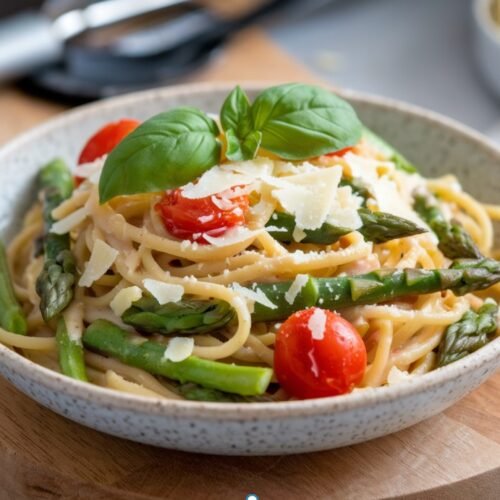
Lemon Garlic Spring Vegetable Pasta
Equipment
- Large Pot
- Large Skillet
- Colander
- Microplane or Zester
Ingredients
Pasta & Base
- 400 g Spaghetti or Linguine Whole wheat or gluten-free also work
- 2 tbsp Olive Oil Extra-virgin preferred
- 3 cloves Garlic Finely minced
Vegetables & Seasoning
- 1 cup Asparagus Trimmed and cut into 2-inch pieces
- 1 cup Fresh Peas Frozen peas also work
- 1 whole Lemon Zest and juice
- 1/2 cup Parmesan Cheese Freshly grated
- Fresh Basil For garnish
Instructions
- Bring a large pot of salted water to a boil. Cook pasta according to package directions until al dente. Reserve 1 cup of pasta water before draining.
- Heat olive oil in a large skillet over medium heat. Add minced garlic and sauté for 30-60 seconds until fragrant, being careful not to brown it.
- Add asparagus to the skillet and stir for 3-4 minutes until tender-crisp. Add peas and stir for another 2 minutes.
- Transfer the drained pasta to the skillet. Add lemon zest and lemon juice, tossing gently to combine.
- Pour in 3 tablespoons of reserved pasta water (add more if dry) and the Parmesan cheese. Toss until a silky sauce forms.
- Season with salt and pepper. Garnish with fresh basil and serve immediately.
Notes
Conclusion
Lemon garlic spring vegetable pasta delivers elegant flavors and satisfying textures in a quick pasta recipe that’s ready in under thirty minutes. This fresh lemon pasta sauce proves that simple ingredients transform into something extraordinary through proper technique and timing. Whether you’re serving a spring dinner party or preparing a light weeknight meal, this healthy vegetable pasta celebrates seasonal produce with remarkable brightness and aromatic garlic depth. The combination of tender asparagus, sweet peas, and vibrant citrus creates a vegetarian pasta meal that tastes restaurant-quality yet requires minimal effort. Make this lemon herb pasta your go-to springtime dish for reliably delicious results.
Internal Resources:
- Essential Pasta Cooking Techniques for Perfect Al Dente Results
- Complete Guide to Spring Vegetable Selection and Preparation
- Mastering Emulsified Sauces: From Hollandaise to Pasta Water Magic
- Seasonal Spring Recipes Featuring Fresh Garden Vegetables
- How to Select, Store, and Use Fresh Lemons for Maximum Flavor
External Resources: