

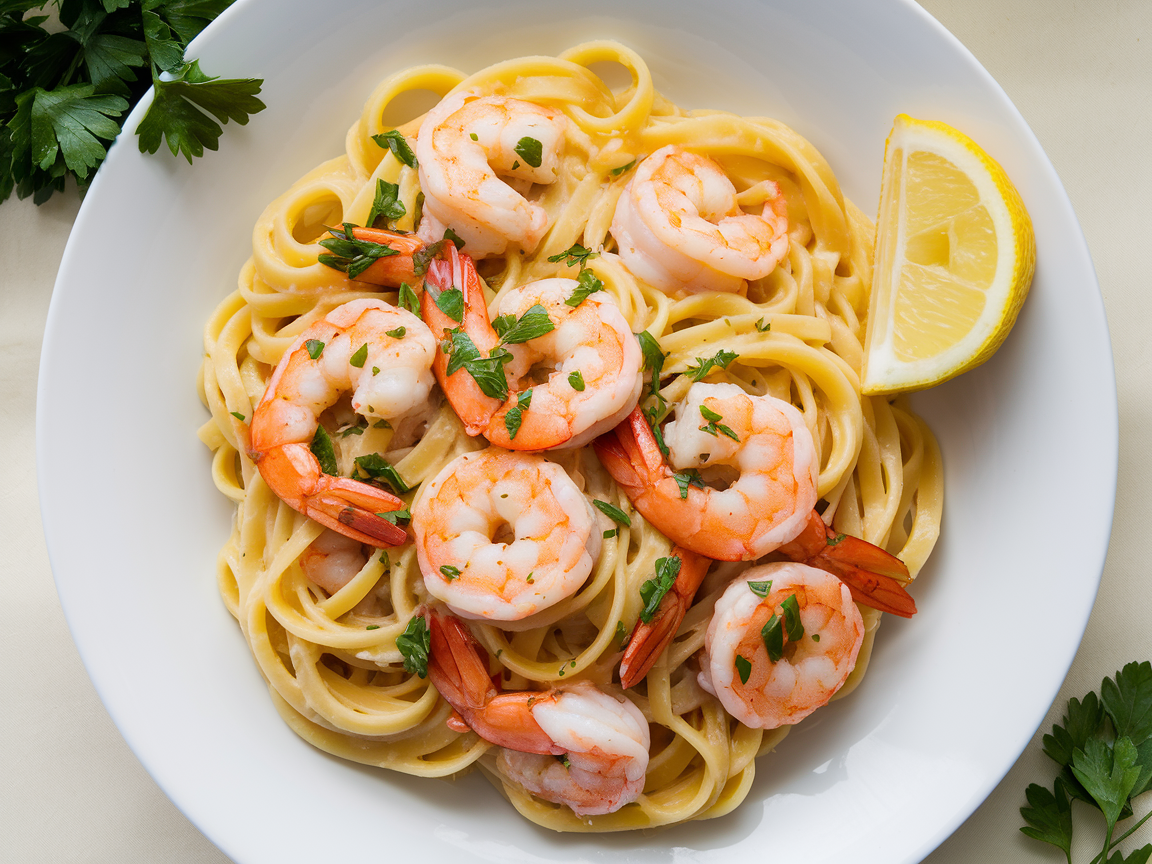
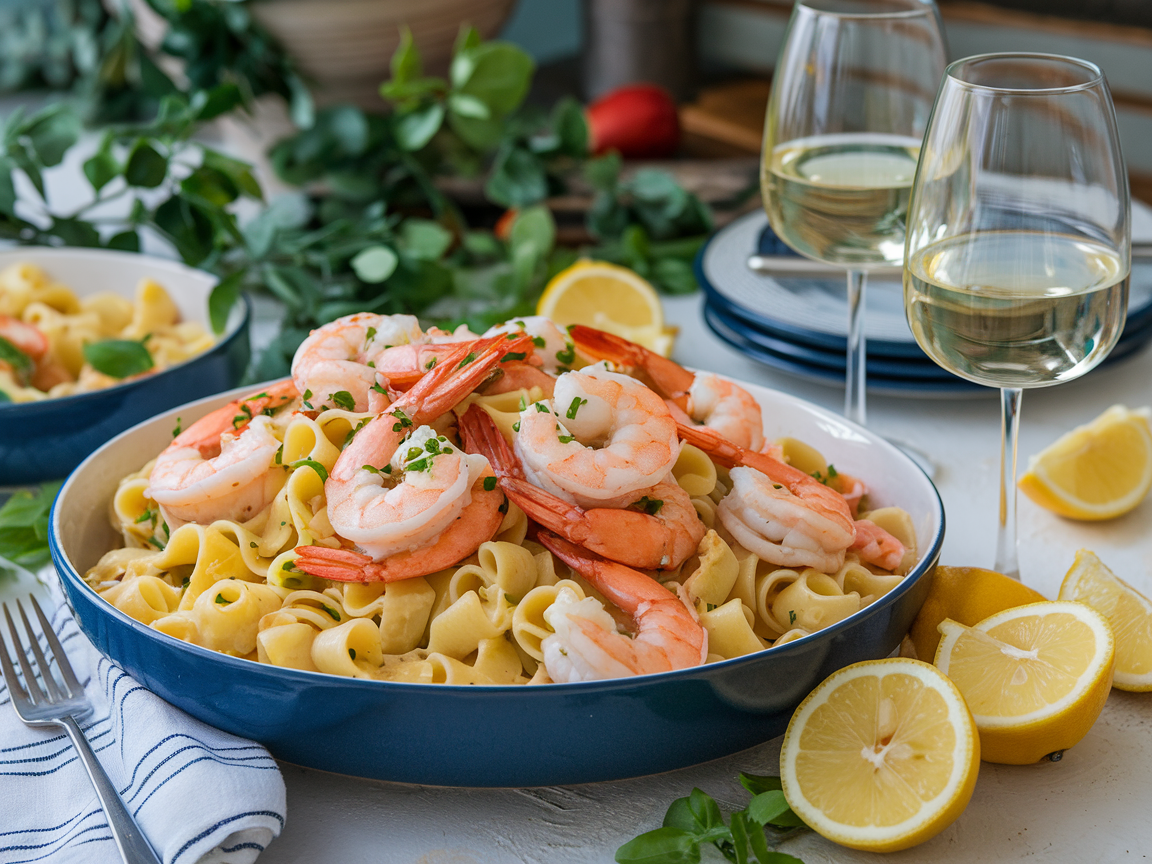
Lemon garlic shrimp pasta is a fresh, light seafood dish combining tender pan-seared shrimp with vibrant citrus and aromatic garlic. This easy shrimp pasta recipe delivers restaurant-quality results in under 20 minutes using whole wheat spaghetti and simple pantry staples. The bright acidity of fresh lemon juice cuts through rich olive oil, creating an Italian shrimp pasta that feels elegant yet approachable for weeknight dinners.
Table of Contents
| Metric | Value |
|---|---|
| Prep Time | 10 minutes |
| Cook Time | 12 minutes |
| Total Time | 22 minutes |
| Servings | 2 |
| Difficulty | Easy |
| Cuisine | Italian |
Why This Recipe Works
I’ve tested countless shrimp scampi pasta variations, and this version stands out because it balances simplicity with sophisticated flavor. The combination of fresh lemon juice and minced garlic creates an acidic, aromatic base that naturally emulsifies with olive oil, coating each strand of whole wheat spaghetti without requiring heavy cream. This garlic lemon seafood pasta approach lets the shrimp’s delicate sweetness shine without competing flavors.
Pan-searing shrimp for just 2–3 minutes ensures they remain tender and succulent, a technique I’ve found transforms this quick seafood pasta from ordinary to memorable. The al dente pasta absorbs the bright lemon butter shrimp sauce while maintaining its nutty whole grain character. Fresh parsley adds herbaceous notes that tie everything together, making this garlic shrimp recipe feel complete and intentional rather than rushed.
What makes this lemon garlic shrimp pasta recipe truly special is its adaptability to your pantry and time constraints. Whether you’re feeding two people on a Tuesday night or preparing a last-minute dinner for guests, this easy shrimp pasta dish accommodates your schedule without sacrificing quality or nutrition.
Ingredients
| Ingredient | Quantity | Notes |
|---|---|---|
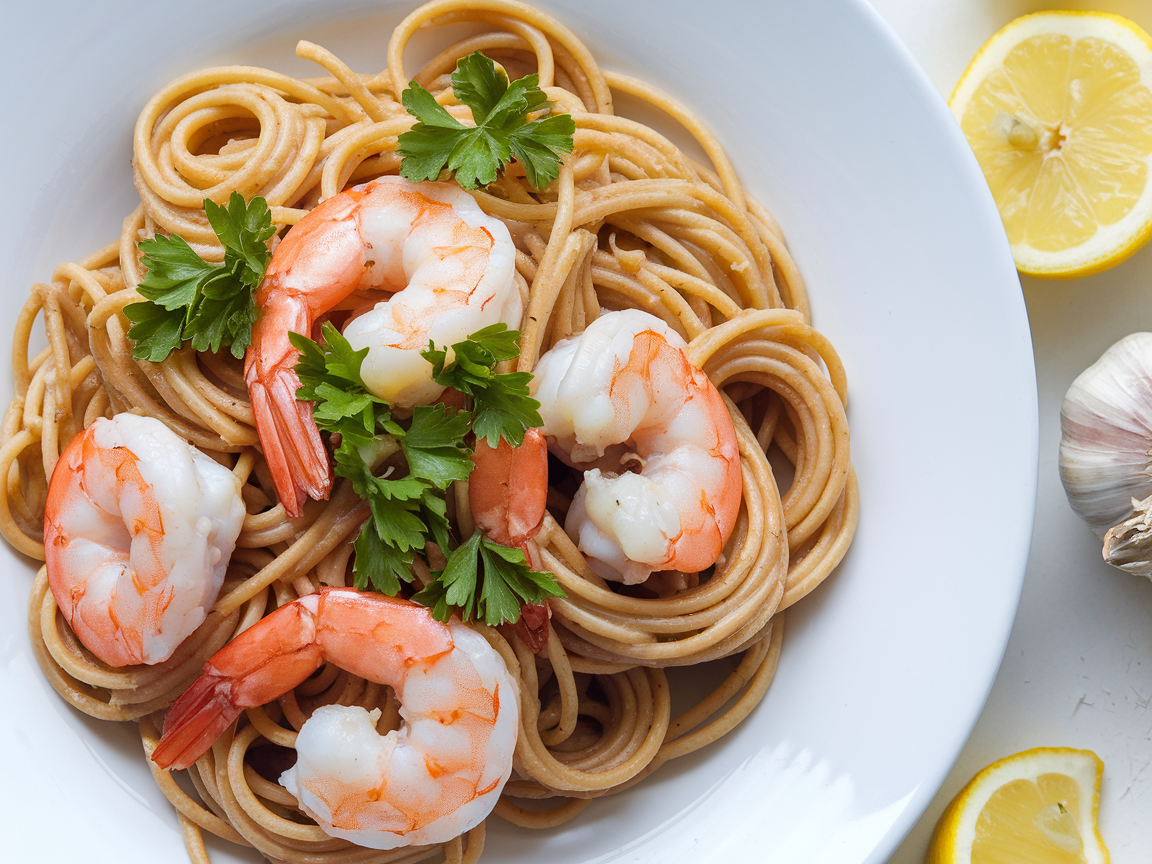
| Whole wheat spaghetti | 300g | Use regular spaghetti or linguine if preferred; brown rice pasta works for gluten-free |
| Shrimp, peeled | 200g | Medium or large; thaw if frozen; pat dry before cooking |
| Garlic cloves, minced | 2 | Fresh garlic only; avoid pre-minced for best flavor |
| Lemon juice, fresh | Juice of 1 lemon | About 3–4 tablespoons; bottled lemon juice acceptable in a pinch |
| Olive oil | 2 tbsp | Extra virgin preferred for finishing touch and richer taste |
| Salt | To taste | Use kosher salt; adjust after tasting the final dish |
| Black pepper | To taste | Freshly ground pepper delivers superior flavor than pre-ground |
| Fresh parsley | For garnish | Flat-leaf parsley preferred; chop just before serving |
Step-by-Step Instructions
Preparation Phase
- Bring a large pot of salted water to a rolling boil over high heat.
- Rinse shrimp under cold water and pat completely dry with paper towels.
- Mince garlic cloves finely using a sharp knife or microplane.
- Cut one lemon in half and juice it into a small bowl, removing any seeds.
Cooking Phase
- Add whole wheat spaghetti to boiling water and stir immediately to prevent sticking.
- Cook spaghetti for 8–10 minutes until al dente, checking package instructions for precise timing.
- Heat olive oil in a large skillet over medium-high heat for 1 minute.
- Add minced garlic to hot oil and sauté for 30 seconds, stirring constantly until fragrant.
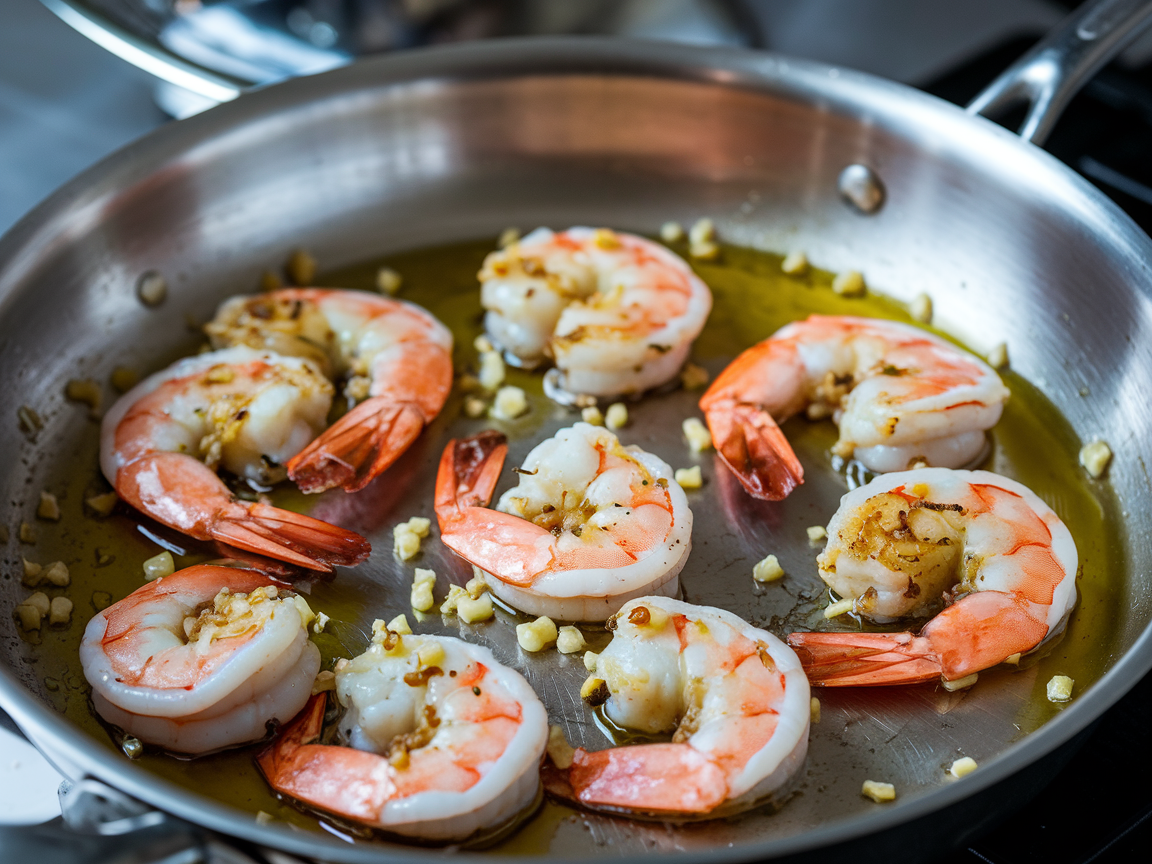
- Place shrimp into the skillet in a single layer and resist stirring for 2 minutes.
- Flip shrimp and cook for another 1–2 minutes until they turn pink and opaque throughout.
- Pour fresh lemon juice over cooked shrimp and stir gently to combine.
- Season with salt and freshly ground black pepper, tasting before adding more.
Assembly Phase
- Reserve 1 cup of pasta cooking water before draining spaghetti completely.
- Add drained spaghetti directly to the shrimp skillet and toss for 1 minute.
- Add 2–3 tablespoons of reserved pasta water to create a light sauce, tossing again.
- Divide lemon garlic shrimp pasta between two plates or bowls.
- Garnish each portion with freshly chopped parsley and extra black pepper if desired.
Chef Tips for Perfect Results
- Pat shrimp completely dry before cooking to ensure a golden sear and prevent steaming in the pan.
- Don’t overcrowd the skillet when searing shrimp; use high heat and avoid stirring during the first 2 minutes for optimal browning.
- Cook shrimp just until pink and slightly opaque; overcooked shrimp becomes rubbery and loses its delicate texture within seconds.
- Reserve pasta cooking water before draining; the starch helps emulsify the lemon butter shrimp sauce and coats the whole wheat spaghetti evenly.
- Juice fresh lemons right before cooking to maximize acidity and brightness; room-temperature lemons yield more juice than cold ones.
- Chop parsley immediately before serving to preserve its vibrant color and fresh herbaceous flavor in your Italian shrimp pasta.
Common Mistakes to Avoid
Overcooking shrimp: Shrimp cooks remarkably fast, and overcooked shrimp becomes tough and loses its sweet flavor. Cook for exactly 2–3 minutes total, watching carefully for the pink color that signals doneness. If your shrimp feel rubbery, reduce heat slightly next time and monitor them closely.
Adding cold lemon juice to hot shrimp: Cold lemon juice can shock the shrimp and cause uneven cooking. Bring lemon juice to room temperature before adding, or warm it gently in the pan before adding shrimp to maintain consistent heat and texture.
Skipping the pasta water: Many home cooks drain the spaghetti and toss it straight into the shrimp skillet without pasta water, creating a dry, separated dish. The starchy pasta water is essential for emulsifying the sauce and helping it coat the noodles evenly.
Using pre-minced garlic: Jarred minced garlic lacks the punchy, fresh flavor that makes garlic shrimp recipe standout. Fresh garlic cloves mince in 30 seconds and deliver the aromatic intensity this easy shrimp pasta dish requires.
Overcooking spaghetti: Whole wheat spaghetti can turn mushy quickly, losing its nutty flavor and pleasant texture. Test doneness at 8 minutes rather than trusting the package timing, as cooking times vary significantly by brand.
Variations and Substitutions
| Ingredient | Substitution | Impact on Flavor |
|---|---|---|
| Whole wheat spaghetti | Regular spaghetti or linguine | Lighter, more delicate taste; less nutty earthiness |
| Fresh lemon juice | Fresh lime juice or white wine | Lime adds tropical brightness; wine brings subtle sweetness and body |
| Shrimp | Scallops or halibut | Scallops cook quickly like shrimp; fish offers firmer texture and milder sweetness |
| Fresh parsley | Fresh basil or dill | Basil adds peppery notes; dill brings subtle anise flavor perfect for seafood |
| Olive oil | Butter or ghee | Butter increases richness and creates creamier lemon herb shrimp sauce |
| Plain preparation | Add red pepper flakes or fresh chili | Heat and spice transform this garlic lemon seafood pasta into something bold |
Serving Suggestions and Pairings
Serve this lemon garlic shrimp pasta recipe as a complete dinner for two, or pair it with simple sides to feed a larger group. A crisp green salad with vinaigrette cleanses the palate between bites and adds fresh vegetables to balance the rich garlic butter shrimp. Roasted asparagus with garlic and lemon complements this dish perfectly, echoing the citrus and garlic notes already present.
For casual entertaining, pair this Italian shrimp pasta with a light white wine pairing guide featuring Pinot Grigio, Sauvignon Blanc, or Vermentino. These wines’ acidity mirrors the lemon juice in your dish, creating harmony rather than competition. Serve garlic bread or toasted ciabatta on the side for mopping up the remaining sauce.
This quick seafood pasta works brilliantly for date night at home, bringing restaurant elegance to your kitchen without complicated techniques or extended cooking times. For meal prep, this creamy shrimp linguine (when prepared with butter) refrigerates well for up to three days, though the pasta firms slightly upon reheating.
Storage and Reheating
| Method | Duration | Instructions |
|---|---|---|
| Refrigerator | 3 days | Transfer cooled pasta to an airtight container; store separately from sauce if possible to prevent mushiness |
| Freezer | Not recommended | Shrimp and pasta both suffer from freezing; texture becomes mushy and sauce separates |
| Stovetop reheating | 3–5 minutes | Heat in a skillet over medium heat with 1–2 tablespoons water or broth; add fresh lemon juice and parsley after warming |
| Microwave reheating | 2–3 minutes | Place in microwave-safe dish, cover loosely, and heat at 50% power; stir halfway through to prevent hot spots |
Nutritional Information
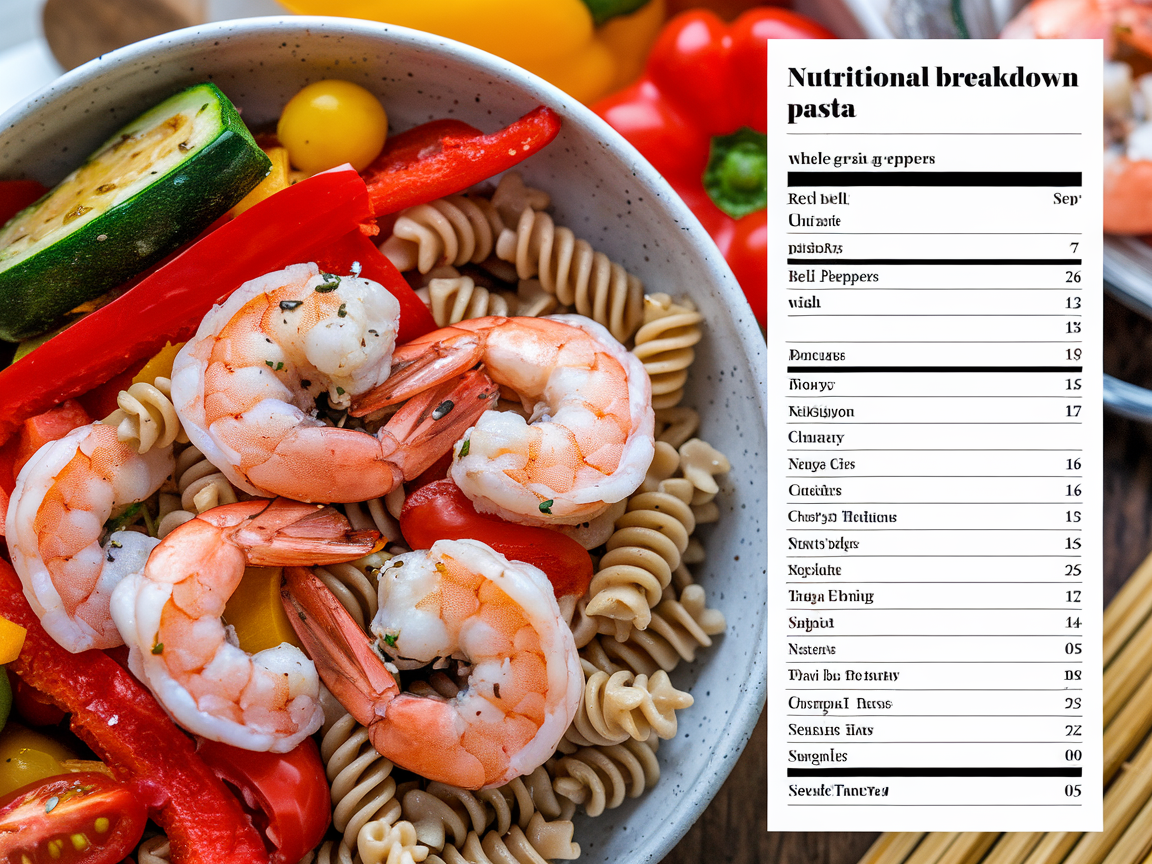
Approximate values per serving (serving size: one-half of recipe).
| Nutrient | Amount |
|---|---|
| Calories | 445 |
| Protein | 32g |
| Fat | 12g |
| Carbohydrates | 52g |
| Fiber | 8g |
| Sugar | 1g |
| Sodium | 385mg |
Frequently Asked Questions
Can I substitute frozen shrimp for fresh shrimp in this lemon garlic shrimp pasta recipe?
Frozen shrimp works perfectly when thawed properly under cold running water and patted completely dry. Pat them dry thoroughly before cooking to ensure proper browning and prevent excess water from steaming them in the pan. Frozen and fresh shrimp cook identically once thawed, delivering the same tender texture and sweet flavor.
How do I know when shrimp is fully cooked in my garlic shrimp recipe?
Shrimp turns opaque pink throughout when fully cooked, typically after 2–3 minutes total cooking time. The internal texture should feel firm but still tender, never rubbery. If shrimp feels mushy or overly soft, you’ve cooked it too long; reduce heat and shorten cooking time next attempt.
What’s the difference between shrimp scampi pasta and lemon garlic shrimp pasta?
Shrimp scampi traditionally includes white wine, butter, and sometimes breadcrumbs, creating a richer sauce. This lemon garlic shrimp pasta recipe uses only olive oil and fresh lemon juice, making it lighter and more Mediterranean in style. Both are delicious quick seafood pasta options; choose based on whether you prefer butter-rich or oil-based preparations.
Can I make this lemon herb shrimp pasta ahead of time?
Cook the spaghetti and shrimp separately, then store them in airtight containers for up to three days. Combine them only when you’re ready to eat, adding fresh lemon juice and parsley at that time to preserve brightness and texture. This approach prevents the pasta from absorbing all the sauce and becoming mushy during storage.
Will this easy shrimp pasta recipe work with regular pasta instead of whole wheat?
Regular spaghetti works excellently and cooks slightly faster than whole wheat varieties, typically in 8–9 minutes instead of 10. The lighter flavor of regular pasta lets the lemon butter shrimp sauce shine equally well, though you’ll lose the subtle nutty earthiness that whole grain brings. Choose based on your preference and what you have available.
Conclusion
This lemon garlic shrimp pasta recipe delivers sophisticated Italian seafood flavor without requiring advanced cooking skills or extensive ingredient lists. The combination of pan-seared shrimp, bright lemon juice, and aromatic garlic creates an unforgettable dish that appears elegant while remaining genuinely easy to execute. Make this garlic lemon seafood pasta tonight and discover why simple, high-quality ingredients always outperform complicated techniques.
“`
`