

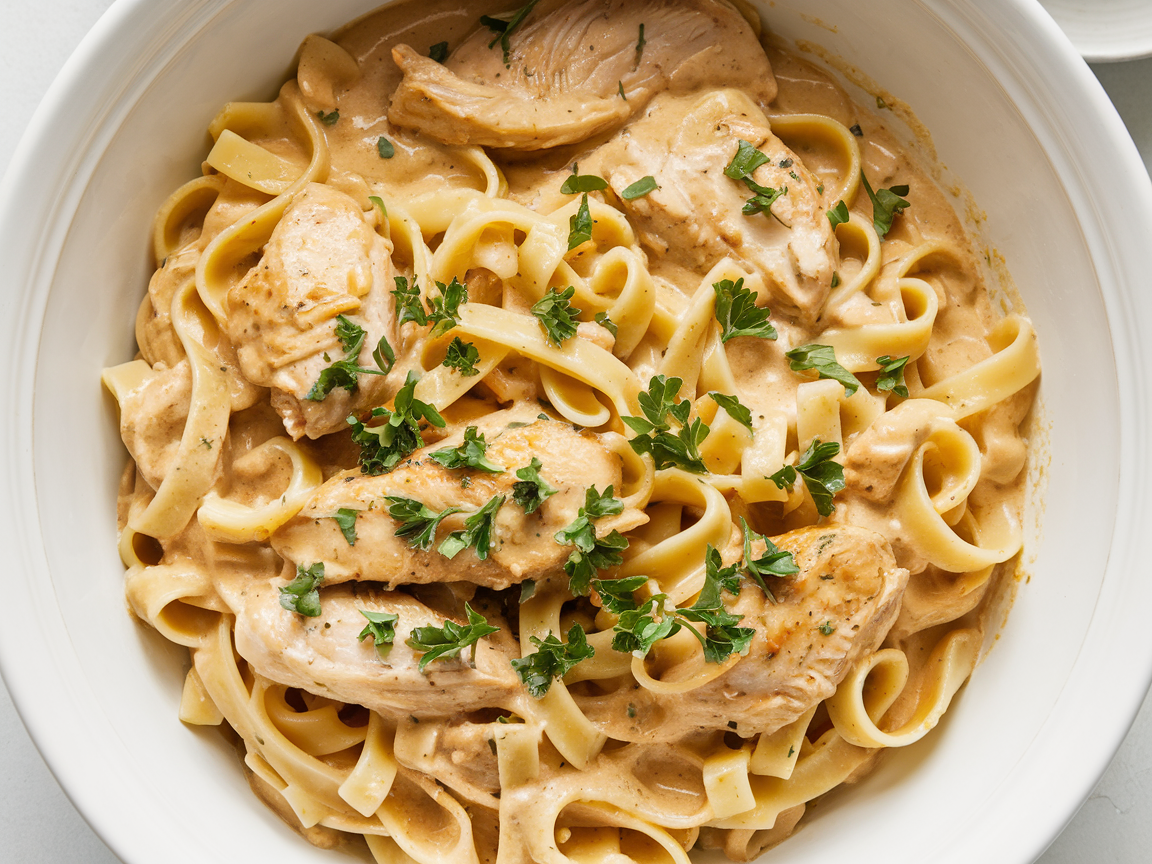
Garlic chicken pasta is a creamy, Italian-inspired dish that combines tender chicken, aromatic garlic, and a silky Parmesan sauce in under 30 minutes. This homemade chicken pasta recipe delivers restaurant-quality results without requiring advanced cooking skills or obscure ingredients. The garlic pasta sauce clings perfectly to fettuccine or penne, creating a satisfying meal that works equally well for quick weeknight dinners or casual entertaining.
Table of Contents
| Detail | Value |
|---|---|
| Prep Time | 10 minutes |
| Cook Time | 15 minutes |
| Total Time | 25 minutes |
| Servings | 4 servings |
| Difficulty Level | Beginner-Friendly |
| Cuisine | Italian |
Why This Recipe Works
I developed this garlic chicken dinner recipe because I wanted something faster than traditional Alfredo but equally indulgent. The secret lies in three core techniques: searing the chicken until golden, building flavor with fresh garlic, and using pasta water to achieve the perfect sauce consistency. This approach transforms simple ingredients into a dish that tastes like you spent hours in the kitchen.
The beauty of this easy pasta dish is its flexibility and speed. By cooking the pasta and chicken simultaneously, you reduce total cooking time dramatically. The reserved starchy pasta water becomes your best tool for creating a glossy, creamy garlic sauce that clings to every strand rather than pooling at the bottom of your plate. I’ve served this to countless dinner guests who assumed I’d spent far more effort than I actually did.
This beginner-friendly pasta cooking method teaches fundamental techniques that apply to dozens of other recipes. You’ll master pan searing, garlic infusion, cream sauce creation, and the critical pasta water emulsion trick. Once you understand why each step matters, you can confidently modify this recipe or create variations without losing the signature flavor that makes it special.
Ingredients
| Ingredient | Quantity | Notes & Alternatives |
|---|---|---|
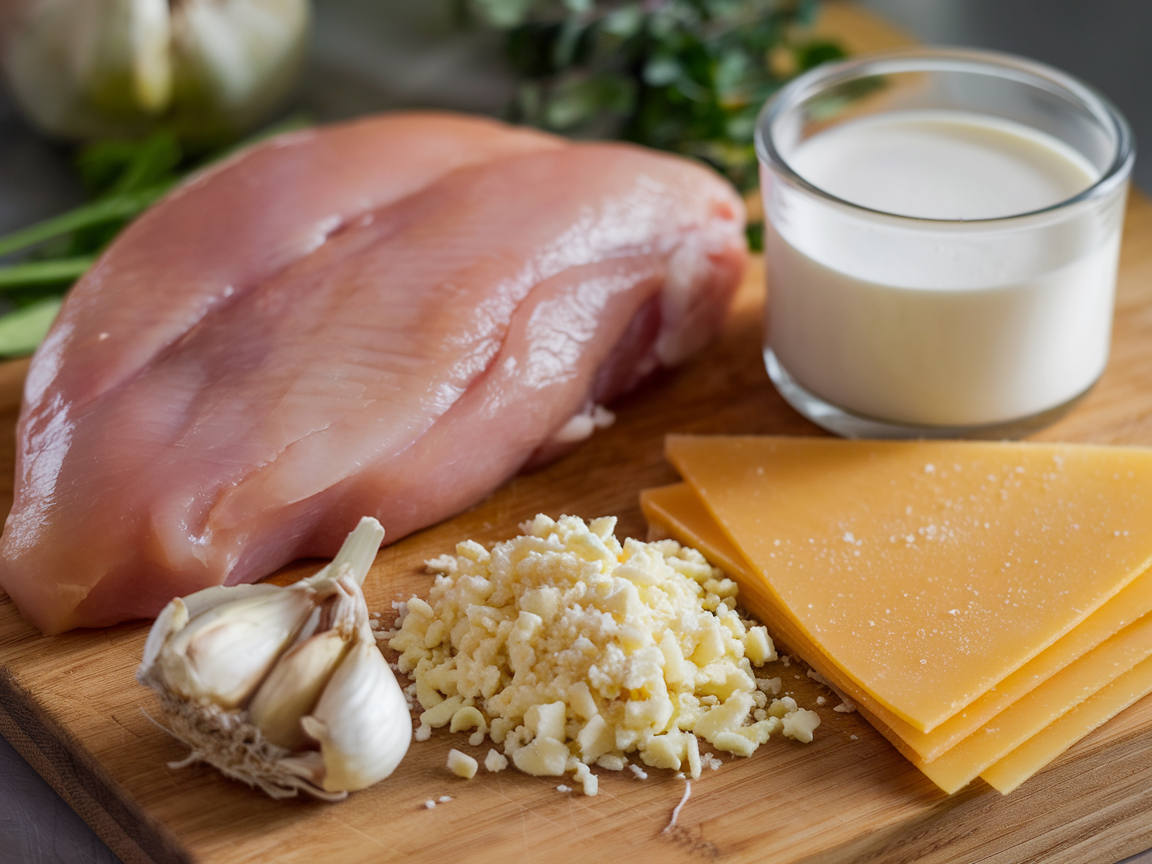
| Chicken Breast or Thighs | 1 lb | Cut into bite-sized pieces. Thighs stay juicier; breasts cook faster. Both work beautifully in this chicken pasta recipe. |
| Paprika | 1 tsp | Adds color and mild pepper flavor. For fusion variations, substitute half with smoked paprika for depth. |
| Italian Seasoning | 1 tsp | Pre-mixed blend of dried herbs. Alternatively, combine 1/4 tsp each of dried basil, oregano, thyme, and rosemary. |
| Salt & Pepper | To taste | Season aggressively at each stage. Add 1/4 tsp initially, then adjust after combining sauce and pasta. |
| Olive Oil | 2 tbsp | Use extra-virgin for flavor, though regular works fine. High smoke point essential for searing chicken. |
| Fettuccine or Penne | 12 oz | Dried pasta preferred for this garlic chicken pasta recipe. Fresh pasta works but reduces total time to 20 minutes. Linguine is an excellent alternative. |
| Garlic Cloves | 6–8 cloves | Minced fresh garlic only—do not substitute jarred garlic. The fresh variety creates the signature aroma this dish requires. |
| Unsalted Butter | 4 tbsp | Unsalted allows you to control salt content completely. Salted butter works if you reduce added salt by half. |
| Heavy Cream | 1.5 cups | Full-fat dairy creates the creamy sauce texture. Light cream works but thickens less effectively. Non-dairy alternatives reduce richness noticeably. |
| Parmesan Cheese | 1 cup | Freshly grated Parmigiano-Reggiano creates superior texture and flavor. Pre-shredded varieties contain anti-caking agents that prevent smooth melting. |
| Reserved Pasta Water | 1/2 cup | Essential component of creamy garlic sauce. The starch emulsifies fat and cream into silky consistency. |
| Fresh Parsley | For garnish | Flat-leaf parsley preferred for appearance and mild flavor. Chopped fresh herbs brighten the finished dish significantly. |
Step-by-Step Instructions
Phase 1: Prepare and Cook Chicken
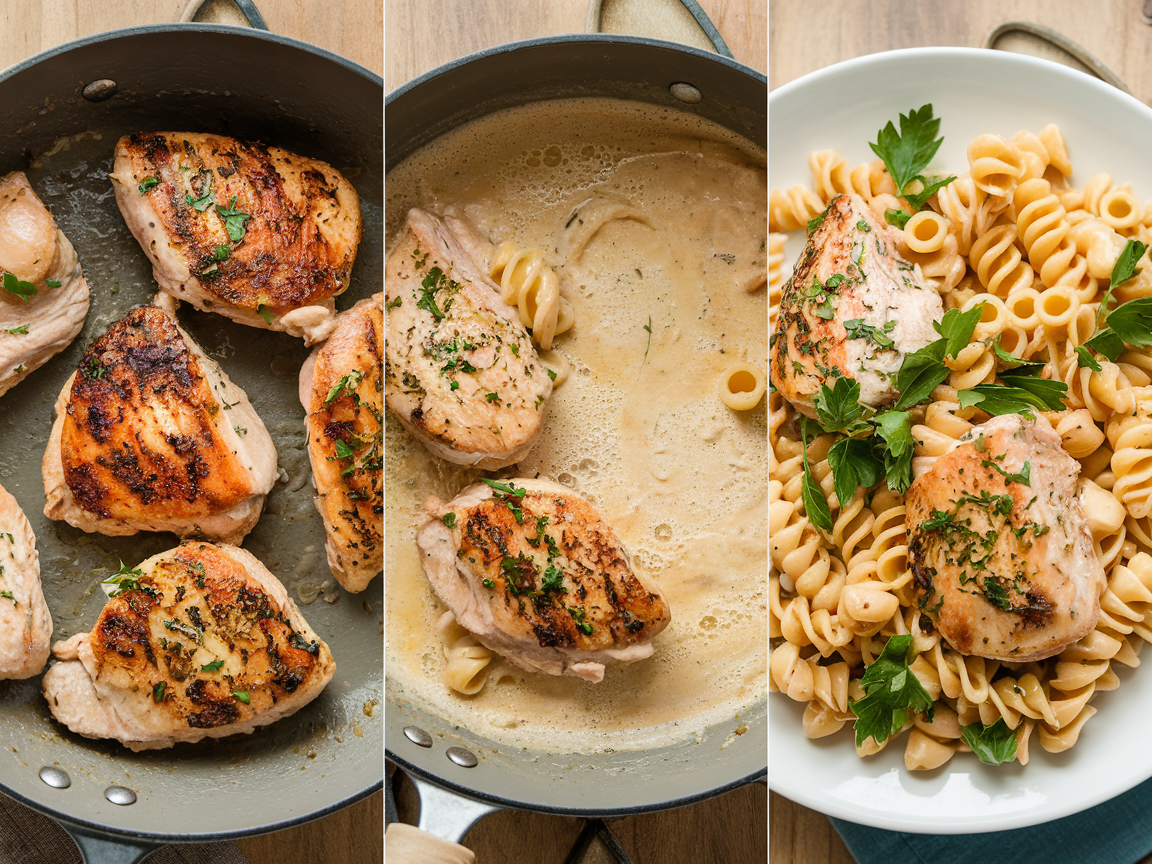
- Season the chicken pieces evenly with salt, pepper, paprika, and Italian seasoning on all sides.
- Heat 2 tablespoons of olive oil in a large skillet over medium-high heat for 1 minute.
- Add seasoned chicken pieces to the hot skillet in a single layer without crowding.
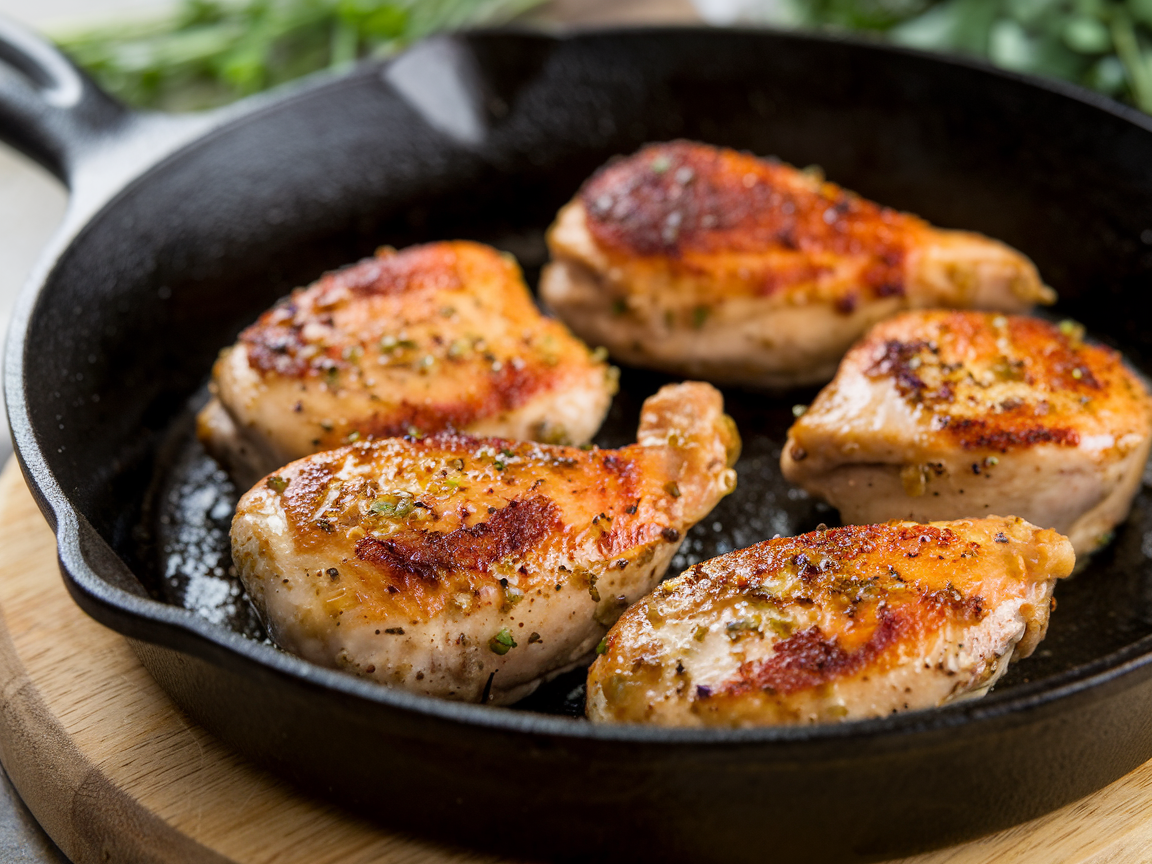
- Sear chicken for 5–7 minutes, stirring occasionally, until golden brown and fully cooked throughout.
- Transfer cooked chicken to a clean plate and set aside at room temperature.
Phase 2: Boil Pasta
- Fill a large pot with water and add 1 tablespoon of salt (pasta water should taste like seawater).
- Bring water to a rolling boil while chicken cooks.
- Add fettuccine or penne and cook according to package directions, stirring occasionally.
- Reserve at least 1 cup of pasta water in a measuring cup before draining—this starchy liquid is crucial for your garlic pasta sauce consistency.
- Drain pasta in a colander and set aside (do not rinse).
Phase 3: Build the Cream Sauce
- Reduce skillet heat to medium and add 4 tablespoons of butter to the same pan used for chicken.
- Once butter melts and foams, add minced garlic immediately and sauté for exactly 1 minute.
- Stop sautéing before garlic turns brown—burned garlic tastes bitter and ruins the entire creamy garlic sauce.
- Pour in 1.5 cups of heavy cream slowly, stirring constantly to combine with garlic butter.
- Bring cream to a gentle simmer and let bubble for approximately 3 minutes until sauce thickens slightly.
- Add 1 cup of freshly grated Parmesan cheese and stir continuously until completely melted and smooth.
Phase 4: Combine and Finish
- Return cooked chicken to the skillet with the cream sauce.
- Add drained pasta to the skillet and toss everything together gently using tongs.
- If sauce appears too thick or heavy, splash in reserved pasta water 1 tablespoon at a time while tossing.
- Continue adding pasta water until sauce reaches a glossy, creamy consistency that lightly coats each piece of pasta.
- Taste and adjust seasoning with salt and freshly cracked pepper as needed.
- Divide onto serving plates and garnish generously with fresh parsley and additional grated Parmesan.
Chef Tips for Perfect Results
- Don’t skip the pasta water. The starch in pasta water emulsifies with fat and cream, creating a silky sauce that clings to noodles. Water alone won’t achieve this effect—the starch is essential for proper texture in your garlic chicken pasta.
- Mince garlic fresh, just before cooking. Pre-minced garlic loses aromatic compounds rapidly. Fresh-minced garlic contributes the powerful, fragrant flavor signature that defines this garlic chicken dinner.
- Use freshly grated Parmesan cheese without fail. Pre-shredded varieties contain cellulose and anti-caking agents that prevent smooth melting. Only freshly grated Parmigiano-Reggiano creates the creamy, lump-free sauce you need for this homemade chicken pasta.
- Brown the chicken properly before removing it. Deep golden color indicates flavorful browning through the Maillard reaction. This step creates savory depth that boiling or steaming cannot achieve in this easy pasta dish.
- Control heat when sautéing garlic carefully. Medium heat allows garlic to release aromatic compounds without burning. Burned garlic tastes acrid and bitter, completely overwhelming the delicate balance of your garlic pasta sauce.
- Add pasta water gradually, not all at once. Start with 1 tablespoon, toss thoroughly, then assess consistency. Different pasta shapes and evaporation rates require different amounts, making gradual addition the safest approach for simple pasta recipes.
Common Mistakes to Avoid
| Mistake | Why It Happens | How to Fix It |
|---|---|---|
| Sauce becomes too thick and heavy | Insufficient pasta water or overcooked sauce. Cream reduces and concentrates as it simmers. | Always reserve pasta water before draining. Add 1 tablespoon at a time while tossing. Start with less sauce initially and add more as needed rather than reducing further. |
| Garlic tastes burned or bitter | Cooking garlic at too high temperature or for too long. Garlic burns in seconds once butter is very hot. | Lower heat to medium before adding garlic. Sauté for exactly 1 minute and smell constantly. Remove from heat immediately if garlic begins to brown at the edges. |
| Cheese becomes grainy or clumpy | Adding cold cheese to hot sauce or overheating after cheese addition. High temperatures break down cheese proteins. | Remove skillet from heat before adding cheese. Stir continuously and gently until melted. Return to low heat only if necessary for final warming, stirring constantly. |
| Chicken comes out tough or dry | Overcooking thin pieces or using breast meat cut too small. Chicken continues cooking briefly after removal from heat. | Use a meat thermometer—remove chicken at 165°F internal temperature. Cut chicken into uniform, bite-sized pieces rather than tiny chunks. Consider using thighs, which stay juicier than breast meat. |
| Pasta turns mushy or breaks apart | Cooking past al dente or rinsing pasta after draining. Starch coating helps sauce cling to pasta. | Cook pasta 1-2 minutes less than package directions suggest. Drain immediately without rinsing. Test pasta at 8 minutes rather than waiting for the suggested 10-12 minute window. |
Variations and Substitutions
| Ingredient | Substitution Option | Impact on Flavor Profile |
|---|---|---|
| Heavy Cream | Half and half or light cream | Produces thinner sauce that requires more pasta water and thickens less. Use only if necessary for dietary reasons. |
| Parmesan Cheese | Pecorino Romano or Grana Padano | Pecorino is sharper and saltier; Grana Padano is slightly sweeter. Both melt smoothly if freshly grated. Avoid pre-shredded versions. |
| Fettuccine | Linguine, pappardelle, or tagliatelle | Flat noodles work best with cream sauce as they hold sauce better. Avoid small shapes like penne that don’t showcase the creamy coating. |
| Chicken | Shrimp or mushrooms | Shrimp creates lighter dish but cooks in 2-3 minutes. Mushrooms require longer sautéing (5-7 minutes) to release moisture and concentrate flavor. |
| Italian Seasoning | Herbes de Provence or za’atar | Herbes de Provence adds lavender notes; za’atar brings Middle Eastern spice. Adjust quantity to 1/2 tsp for stronger blends to avoid overpowering garlic. |
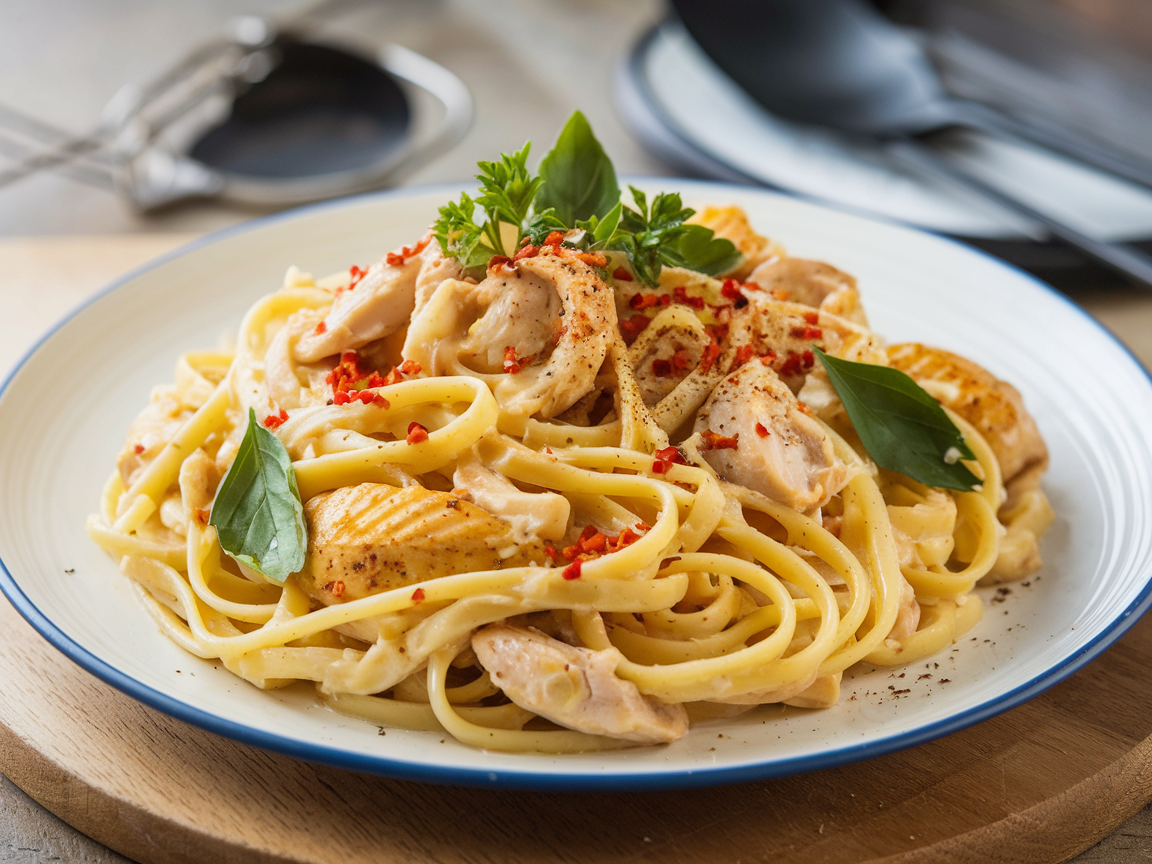
| Paprika | Aleppo pepper or red chili flakes (fusion version) | Aleppo pepper adds subtle heat and fruity depth without overwhelming spice. Red chili flakes provide sharp heat. Both work beautifully for garlic chicken dinner variations. |
Serving Suggestions and Pairings
Serve this easy pasta dish with a crisp white wine such as Pinot Grigio or Sauvignon Blanc, which cuts through the cream’s richness beautifully. Fresh garlic and lemon flavors in these wines complement every element of your garlic chicken pasta without competing for attention.
Pair with garlic bread made from crusty Italian loaf, which soaks up extra sauce and adds textural contrast. Alternatively, serve alongside a light green salad dressed with lemon vinaigrette to balance the creamy nature of this chicken pasta meal. The acidity cleanses the palate between bites.
For casual weeknight dinners, this simple pasta recipe needs nothing more than a side salad and wine. For entertaining, consider serving with roasted vegetables such as asparagus or broccoli, which add color and nutrition without overshadowing the star flavors. Presentation matters—garnish each plate with fresh parsley and a final Parmesan shower just before serving.
This garlic chicken dinner works equally well for family meals, date nights, or casual dinner parties. Portion sizes adapt easily—the recipe doubles without complications. Guests consistently request the recipe, unaware that this Italian chicken pasta took mere 25 minutes from ingredients to table.
Storage and Reheating
| Method | Duration | Instructions |
|---|---|---|
| Refrigerator Storage | 3-4 days in airtight container | Cool completely before transferring to airtight containers. Sauce will thicken significantly as it cools due to Parmesan and cream solidifying. Store separately from fresh parsley garnish. |
| Stovetop Reheating | 10-12 minutes over low heat | Place pasta in skillet with 2-3 tablespoons reserved pasta water or cream. Heat gently over low heat, stirring frequently to prevent sticking. Add pasta water 1 tablespoon at a time to restore creamy consistency. Do not boil, as high heat will break the sauce. |
| Microwave Reheating | 3-4 minutes in 1-minute intervals | Transfer to microwave-safe bowl and add 1 tablespoon pasta water or cream. Heat for 1 minute, stir thoroughly, then continue heating 30 seconds at a time. Microwave is fastest but less effective at maintaining sauce smoothness than stovetop method. |
| Freezer Storage | Not recommended | Cream-based sauces separate and become grainy when frozen. The texture of this garlic chicken pasta deteriorates significantly after thawing. Best practice is to consume fresh or refrigerate for up to 4 days. |
Nutritional Information
Approximate values per serving (based on 4 servings):
| Nutrient | Amount per Serving |
|---|---|
| Calories | 745 kcal |
| Protein | 42g |
| Total Fat | 38g |
| Saturated Fat | 18g |
| Carbohydrates | 62g |
| Dietary Fiber | 2g |
| Sugars | 1g |
| Sodium | 620mg |
These values reflect standard ingredients and cooking methods described in this recipe. Using lighter cream or reducing pasta quantity will lower calorie and fat content. Adding vegetables increases fiber without significantly impacting total calories.
Frequently Asked Questions
Can I use jarred minced garlic instead of fresh garlic in this garlic chicken pasta recipe?
Fresh minced garlic is strongly preferred and produces noticeably superior flavor in this garlic chicken dinner. Jarred garlic loses volatile aromatic compounds during processing and storage, resulting in flat, sulfurous flavor that cannot replicate fresh garlic’s bright pungency. For the best garlic pasta sauce results, spend 30 seconds mincing fresh cloves immediately before cooking.
How do I know when the chicken is fully cooked through in this homemade chicken pasta?
The most reliable method is using an instant-read meat thermometer inserted into the thickest piece—chicken reaches food safety at 165°F internal temperature. Alternatively, cut into the largest piece and ensure no pink remains in the center. Since you’ll sear chicken for 5–7 minutes until deeply golden, it will be cooked through if you’re searing consistently without lowering heat.
What should I do if my cream sauce breaks or becomes grainy?
This occurs when cheese becomes too hot after addition. Remove the skillet from heat immediately and whisk vigorously while adding 1-2 tablespoons of cold heavy cream or pasta water. The cold liquid reduces temperature and helps re-emulsify broken sauce. Prevent this by removing from heat before adding cheese and stirring gently until melted at low temperature.
Can I make this garlic chicken pasta ahead of time for dinner parties?
Prepare components separately rather than combining entirely: cook chicken and set aside, cook pasta and set aside, make cream sauce and set aside. This approach allows 2-hour advance preparation. Combine everything 5 minutes before serving by reheating sauce gently and tossing with pasta and chicken, adding pasta water as needed. This method preserves texture better than full advance preparation.
What’s the best way to achieve al dente pasta for this easy pasta dish?
Cook pasta according to package directions but remove 1-2 minutes before the suggested time ends, then test by biting a noodle. Properly al dente pasta should offer slight firmness in the center without being hard or chalky. Since pasta continues cooking briefly in the hot cream sauce, deliberate undercooking prevents mushiness in your finished garlic chicken pasta.
Fusion Variation: Spiced Garlic Chicken Pasta with Aleppo Pepper
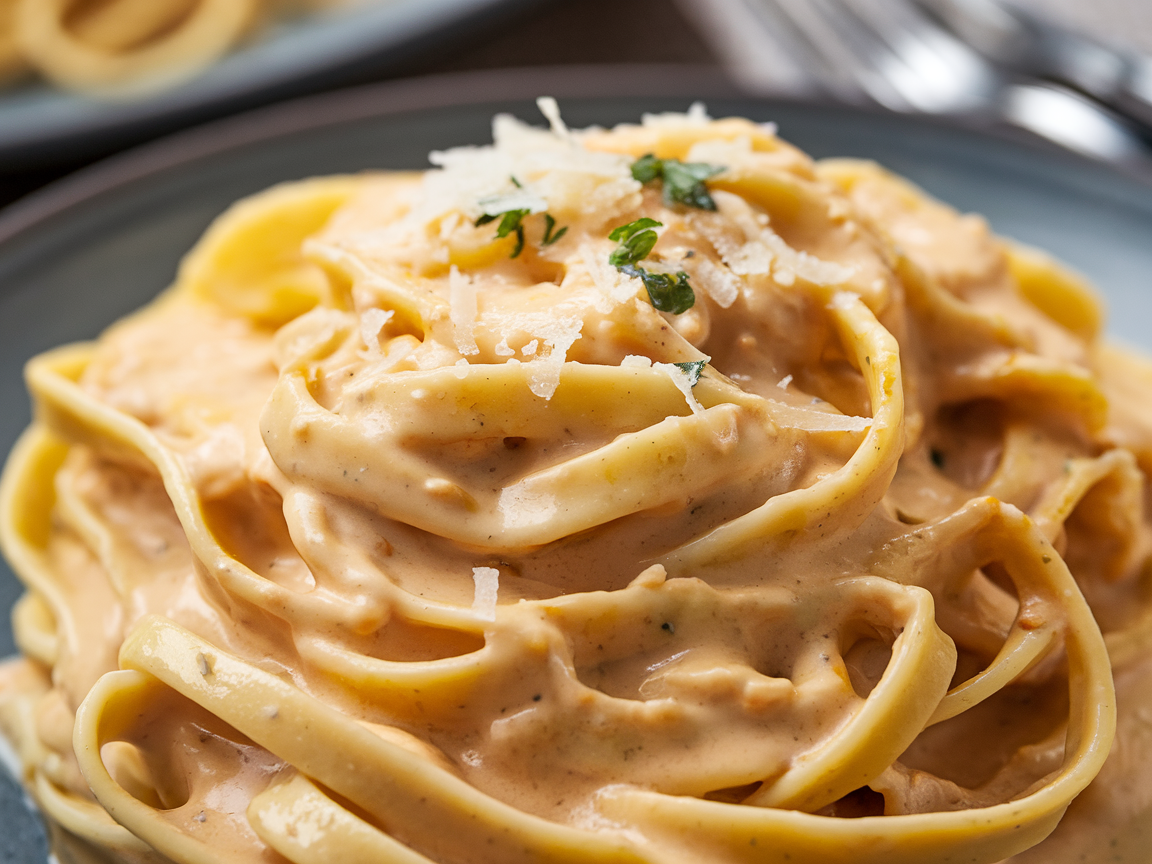
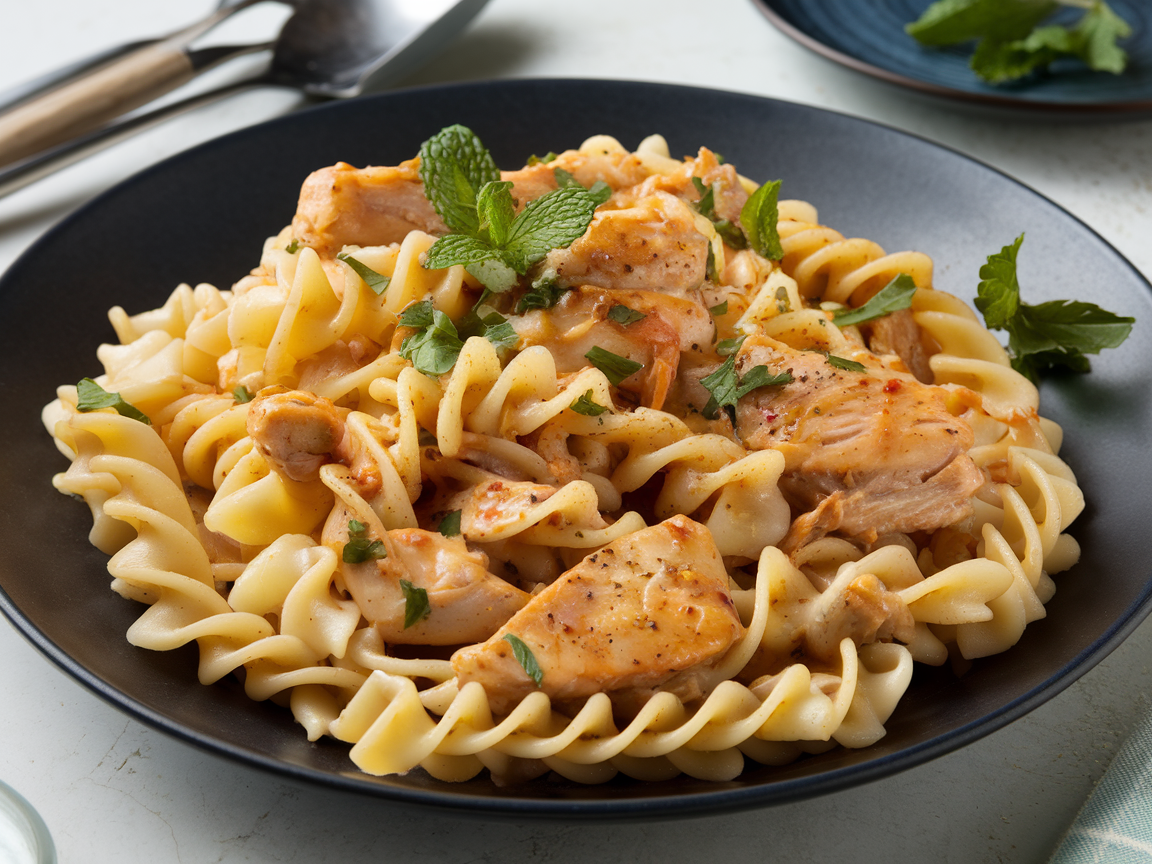
For readers of cooking Arab cuisine, this garlic chicken pasta adapts beautifully to Middle Eastern flavors without losing its Italian foundation. Replace 1/2 teaspoon of paprika with Aleppo pepper, a fruity, moderately spicy chile that adds depth rather than overwhelming heat. This simple adjustment transforms your Italian chicken pasta into a fusion garlic chicken dinner that bridges Mediterranean and Levantine traditions.
The slight heat from Aleppo pepper complements fresh garlic beautifully, creating a more complex flavor profile than standard Italian seasoning alone. Add a pinch of red chili flakes if you prefer sharper heat. Finish the dish with fresh mint alongside parsley for authentic finishing touch. This fusion pasta variation works perfectly for contemporary entertaining and elevates the simple pasta recipe into something unexpected and sophisticated.
Restaurant-Quality Techniques in Your Kitchen
This garlic chicken pasta achieves restaurant-quality results through three fundamental techniques that professional kitchens employ universally. First, proper searing develops complex flavors through browning reactions that cannot be replicated through boiling or steaming. Second, building sauce from aromatic garlic infused into butter creates a flavorful base rather than starting from bland cream. Third, using pasta water’s starch creates proper emulsification instead of relying on cream alone.
Restaurants prioritize mise en place—having all ingredients measured and prepped before cooking begins. This practice eliminates scrambling and ensures even cooking. Before you start, measure your cream, grate your cheese, mince your garlic, and have pasta water ready in a cup. This beginner-friendly pasta cooking approach prevents burned garlic and ensures perfect timing throughout preparation.
Professional kitchens also understand that quality ingredients matter more than complicated techniques. Freshly grated Parmigiano-Reggiano tastes dramatically different from pre-shredded cheese. Fresh garlic bears no resemblance to jarred alternatives. Heavy cream and butter add richness that lighter substitutes cannot replicate. This simple pasta recipe succeeds precisely because it maximizes ingredient quality rather than masking inferior components with complicated methods.
Final Thoughts on This Essential Easy Pasta Recipe
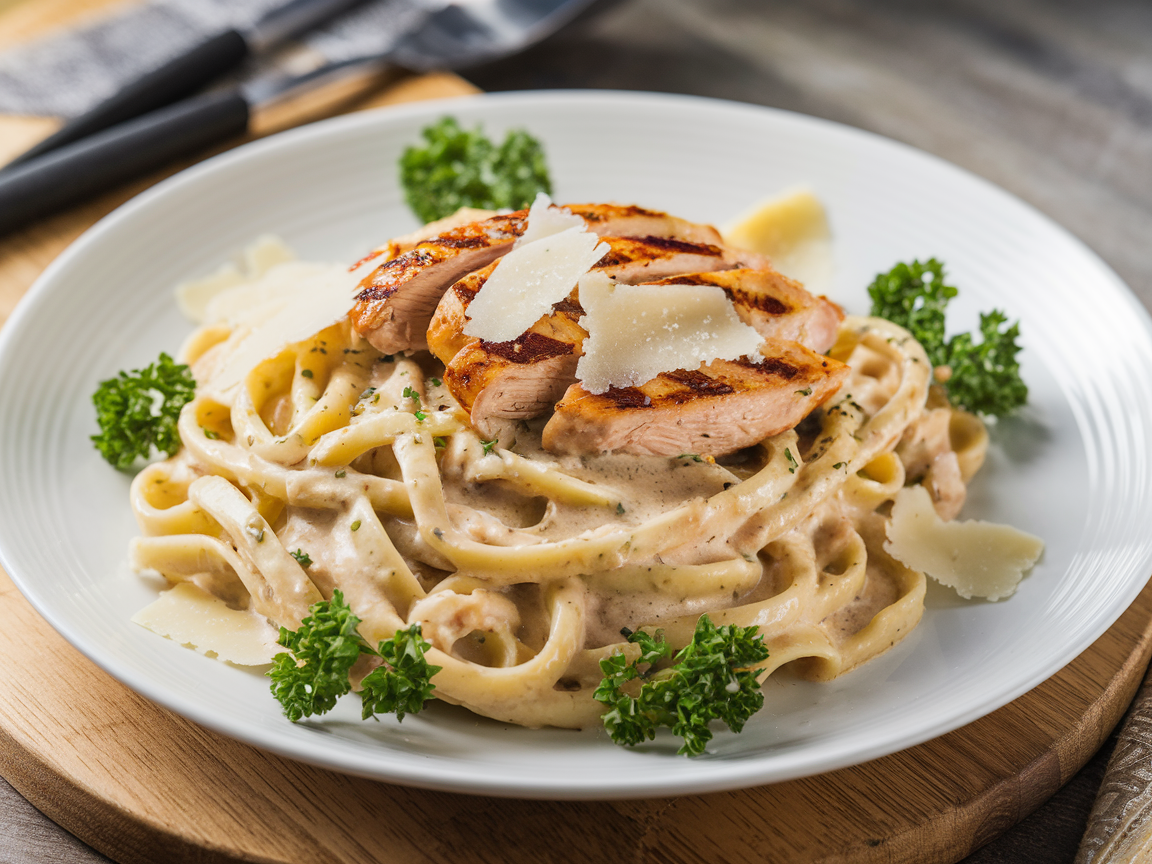
Garlic chicken pasta represents the perfect intersection of simplicity and sophistication, requiring minimal time yet delivering maximum satisfaction. This beginner-friendly pasta cooking method teaches fundamental techniques that elevate every dish you create going forward. Master this garlic chicken dinner, and you’ll confidently adapt it into fusion variations, scale it for entertaining, and execute it flawlessly during busy weeknights. The creamy garlic sauce remains the signature element—bold, aromatic, and utterly irresistible.